Bronx Cultural Corridors 2026: New Developments
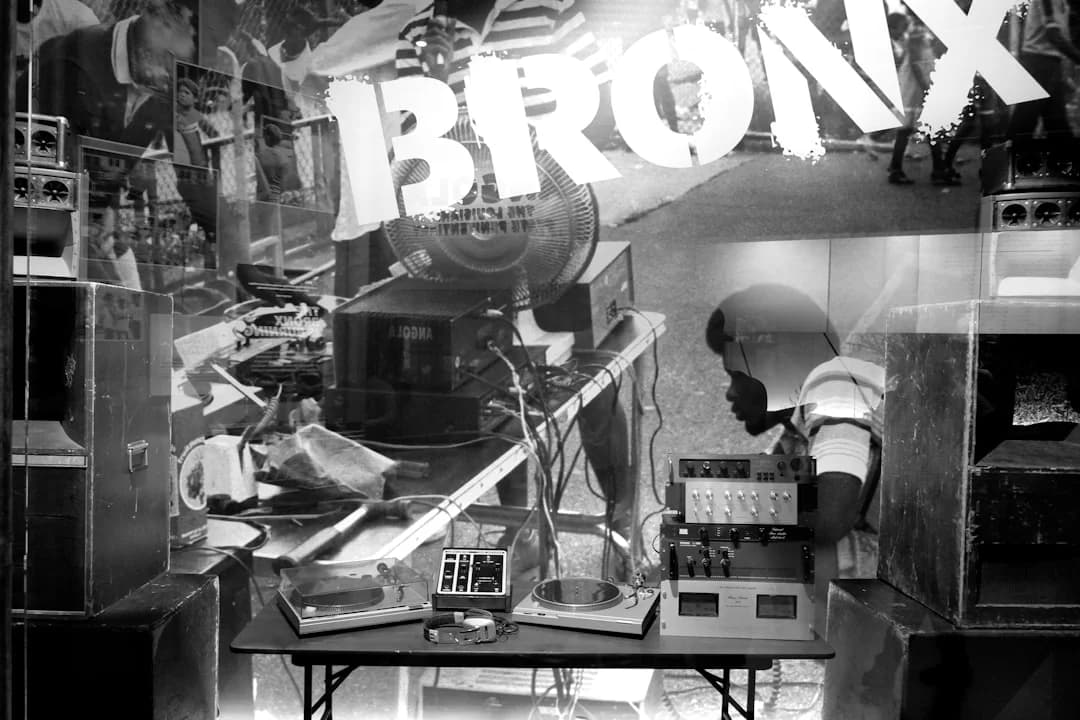
Photo by Mike Von on Unsplash
The phrase Bronx cultural corridors 2026 is more than a buzzword this year. Across the borough, a slate of high-profile arts and infrastructure projects is unfolding in ways that tie together galleries, performance venues, parks, and transit corridors. In 2026, The Bronx is seeing a concerted push to knit together cultural anchors with public realm improvements, rail and bus enhancements, and big-ticket city investments aimed at boosting accessibility and economic vitality. From a major renovation reopening of The Bronx Museum of the Arts to expanded greenways that reconnect neighborhoods to the waterfront, these efforts are designed to create a more walkable, ADA-friendly cultural economy that serves residents and visitors alike. The opening of these initiatives comes as part of a broader city strategy to invest in culture as a driver of opportunity and neighborhood resilience. The Bronx’s cultural corridors 2026 are shaped by city leadership, community input, and a growing belief that culture and mobility belong at the center of neighborhood planning. (nyc.gov)
City officials and cultural institutions are presenting 2026 as a milestone year for the Bronx’s arts ecosystem, with projects that aim to connect people, places, and programs in smarter, safer ways. The Bronx Museum renovation, for instance, is advancing toward a 2026 reopening after a multi-year upgrade funded with city support designed to modernize access and unify a campus that spans Grand Concourse. City representatives say the project will create a continuous gallery loop and enlarge the museum’s capacity for exhibitions and public programs, while keeping The Bronx at the forefront of the city’s cultural landscape. As the administration notes, the renovation is part of a broader effort to align capital projects with energy efficiency and climate goals, underscoring culture as a pillar of the city’s infrastructure agenda. The museum project is just one piece of a wider plan that integrates culture with transit, parks, and public spaces to broaden the borough’s appeal and resilience. “The renovation will transform a cultural icon of the Bronx into a modern institution that will result in additional space for contemporary art exhibitions and a unified campus for all New Yorkers to enjoy,” a city release explained, while noting a 2026 reopening date. (nyc.gov)
The transit and public realm pieces of Bronx cultural corridors 2026 are moving in parallel with the cultural anchors. In March 2026, the Mamdani administration announced a major project to upgrade the Bronx crosstown bus network near Yankee Stadium, including new bus-only lanes and a redesigned East 161st Street corridor. The plan targets faster, safer commutes for tens of thousands of daily riders and aims to relieve congestion that historically bottlenecked access between Manhattan and the Bronx. With baseball season commencing shortly after construction begins, officials framed this as a practical upgrade that also complements the borough’s broader cultural work by improving access to cultural venues and neighborhoods along the corridor. The project is scheduled to run through 2028, with looped, center-running bus lanes and enhanced curb ramps and shelters designed to make boarding easier for all users. (nyc.gov)
Beyond bus upgrades, the Harlem River Greenway—one of the city’s most ambitious waterfront mobility projects—continues to pave the way for a seven-mile, barrier-protected network connecting Van Cortlandt Park to Randall’s Island Park. Begun in 2025, the Harlem River Greenway will knit together parks, schools, and cultural destinations by offering safer, more connected routes for pedestrians and cyclists. The plan includes exciting waterfront park components like Lower Concourse Park in the South Bronx and multiple corridor enhancements along Bailey Avenue, Bruckner Boulevard, and Exterior Street. City officials, along with planning partners and advocates, framed the greenway as a cornerstone of Bronx livability and a critical link to the borough’s cultural corridors 2026, one that supports both everyday mobility and weekend cultural trips to theaters, museums, and public art spaces. The project’s early progress and ongoing timeline reflect a long-term commitment to reconnecting residents with the borough’s waterfront and parks as part of a broader public realm strategy. (nyc.gov)
The city’s cultural investments in 2026 also extend to a broader, citywide initiative designed to capitalize on major summer events. In July 2025, the Manhattan Chamber of Commerce announced the formation of the 2026 Summer of Opportunity Coalition, a cross-borough effort that includes the Bronx Chamber of Commerce and other regional partners. The coalition aims to maximize the economic impact of events like the FIFA World Cup and the country’s 250th anniversary while ensuring that local businesses in the Bronx and other boroughs benefit from the increased footfall. The coalition will offer programs on staffing, language services, and cultural sensitivity, along with coordinated marketing to draw visitors to diverse attractions and corridors—exactly the kind of integrated approach that can amplify the Bronx’s cultural corridors 2026. (manhattancc.org)
The scale of these investments is underscored by city capital planning. In September 2025, Mayor Adams announced the FY 2026 September Capital Commitment Plan, the largest September plan in city history, with $2.6 billion in new capital investments across infrastructure, parks, and cultural centers. The plan highlights $254.6 million allocated to support cultural institutions citywide, alongside other cultural and educational investments. In the Bronx, these dollars align with the ongoing museum renovations, park improvements, and program support that are central to Bronx cultural corridors 2026. The city’s approach—combining capital grants, public realm upgrades, and targeted cultural funding—illustrates a coherent strategy to knit together arts, mobility, and neighborhood vitality. (nyc.gov)
Section 1: What Happened
Bronx Museum Renovation Milestone
- The Bronx Museum of the Arts has been undergoing a multi-year renovation designed to reorient the entrance toward Grand Concourse and 165th Street, unify the museum campus, and create a continuous gallery loop that links its northern and southern spaces. City officials described the project as a “transformation” of a cultural anchor in the borough, enabling expanded programming and more accessible exhibitions for a broader audience. The renovation is funded in part by city support and is tied to the 80x50 program aimed at energy efficiency and greenhouse gas reductions. The city’s press materials indicate that the renovation is expected to reopen in 2026, a milestone that would mark a significant upgrade to Bronx cultural corridors 2026 and the surrounding Grand Concourse district. The Bronx Museum’s leadership highlighted the project as a way to strengthen accessibility and programmatic capacity while preserving the museum’s commitment to free admission. “This renovation will transform a cultural icon of the Bronx into a modern institution that will result in additional space for contemporary art exhibitions and a unified campus for all New Yorkers to enjoy,” the NYCEDC president noted, signaling a broader ambition for the borough’s cultural identity. (nyc.gov)
Harlem River Greenway Expansion and Lower Concourse Park
- The Harlem River Greenway project continues to unfold as a central element of Bronx cultural corridors 2026, linking neighborhoods to the borough’s waterfront and providing safer routes for residents and visitors alike. The 2025 press release from NYC DOT confirmed the plan to build more than four lane miles of protected bike lanes in the Bronx, part of a seven-mile corridor from Van Cortlandt Park to Randall’s Island Park. The announcement highlighted planned projects such as Lower Concourse Park, a 2.3-acre waterfront park in the South Bronx, and additional improvements along Bailey Avenue, Bruckner Boulevard, and Exterior Street. The goal is to provide new open spaces, pedestrian refuges, and cycling infrastructure that connect Bronx communities with cultural venues and public spaces, reinforcing Bronx cultural corridors 2026 as a livable, accessible experience. The plan also emphasizes safety benefits and increased access to parks as part of a broader public realm strategy. “These projects better connect Bronx residents to their waterfront and beautiful parks while also bringing dramatic safety upgrades and establishing new commuting routes for cyclists,” stated NYC DOT Commissioner Ydanis Rodriguez. (nyc.gov)
Transit Upgrades Near Yankee Stadium and Cross-Borough Connectivity
- In March 2026, the Mamdani administration announced a major investment to improve Bronx crosstown bus service and street safety near Yankee Stadium, a critical link between the Bronx and Manhattan during peak cultural and sports events. The plan includes the addition of westbound bus-only lanes, converting the 161st Street underpass to buses only, and installing shelter, seating, and pedestrian safety improvements along the Bx6 SBS corridor. The project aims to speed up bus service for more than 25,000 daily riders on the Bx6 line and to reduce bottlenecks that have long hindered cross-borough travel. The timeline indicates construction will continue through 2028, balancing disruption with long-term benefits for residents and visitors headed to Bronx cultural venues. The office framed this as part of a broader effort to deliver a great bus network for every neighborhood and to improve access to vital civic resources across the city. (nyc.gov)
Citywide Cultural Investment and Local Economic Collaboration
- The 2026 Summer of Opportunity Coalition signals a deliberate move to coordinate cultural and economic activity across boroughs, including the Bronx, in the run-up to major summer events. By combining the efforts of chambers of commerce, BIAs, and other business groups, the coalition intends to maximize the economic impact of events like the FIFA World Cup and the United States’ 250th anniversary celebrations. The coalition will provide business guidance, multilingual services, and marketing that emphasizes Bronx corridors and other cultural corridors across the five boroughs. The explicit aim is to channel visitors to diverse neighborhoods and cultural hubs, ensuring that local businesses in the Bronx and beyond share in the visitor spend and cultural exchange inspired by this high-visibility moment. (manhattancc.org)
Public Funding and Structural Support for Bronx Institutions
- The city’s capital program and bipartisan support for culture are also evident in the September 2025 capital plan, which adds hundreds of millions to cultural centers and related programs citywide, including substantial allocations for the Bronx. The plan identifies $254.6 million dedicated to cultural institutions and underscores ongoing investments in museums, libraries, and arts initiatives across the five boroughs. In the Bronx, this funding supports ongoing renovations, park improvements, and programmatic expansions that reinforce the borough’s role in New York City’s cultural ecosystem. This funding, coupled with the Bronx-focused museum renovation and public realm upgrades, provides a financial backbone for Bronx cultural corridors 2026. “This September Capital Commitment Plan is the largest in city history and includes new investments in cultural institutions,” the Mayor’s office noted, highlighting the city’s commitment to sustaining a vibrant cultural sector in the Bronx and throughout the city. (nyc.gov)
Why It Matters
Cultural Access, Equity, and Community Identity
- The Bronx’s cultural corridors 2026 are anchored by institutions that prioritize access. The Bronx Museum of the Arts has long offered free admission, a policy that aligns with the city’s broader cultural equity goals and helps ensure that new spaces and expanded programming reach a broad cross-section of residents and visitors. The renovation’s aim to create a unified campus and expanded exhibition space is designed to make Bronx art more visible and accessible, reinforcing the borough’s identity as a dynamic cultural hub within New York City. As the museum notes, its mission centers on openness and community engagement, with free access continuing after the renovation. This emphasis on accessibility is especially meaningful given the borough’s historically diverse demographic profile and rapid neighborhood change in recent years. (nyc.gov)
Economic Impacts for Local Businesses and Neighborhoods
- A coordinated approach to culture and commerce—exemplified by the 2026 Summer of Opportunity Coalition—illustrates how cultural investment translates into tangible economic activity. The coalition’s estimate that events could generate billions in visitor spending and attract roughly a million visitors highlights the scale of potential impact for Bronx corridors 2026. For local merchants, the coalition’s emphasis on staffing, multilingual services, and cultural sensitivity signals practical support that can improve the consumer experience and increase spend in local corridors. These programs are designed to help small businesses prepare for large events, while also sustaining longer-term benefits beyond the events themselves. (manhattancc.org)
Transit, Mobility, and Neighborhood Connectivity
- Access is fundamental to any successful cultural corridor. The Bx6 crosstown bus improvements near Yankee Stadium, combined with Harlem River Greenway expansions and Lower Concourse Park development, demonstrate a multi-modal strategy to move people to and through the Bronx’s cultural venues easily and safely. Improved bus service reduces the friction of visiting Bronx galleries, theaters, and community spaces, while greenways and enhanced pedestrian infrastructure incentivize exploration on foot or by bike. The interplay of transit and culture is a central theme of Bronx cultural corridors 2026, reflecting a belief that mobility should be a facet of cultural access rather than a barrier to it. The city’s announcements and planning documents repeatedly frame transit upgrades as essential complements to culture. (nyc.gov)
Public Realm and Quality of Life Improvements
- The Harlem River Greenway, with Lower Concourse Park and other corridor upgrades, is about more than aesthetics; it’s about safety, community space, and the daily lived experience of residents. Protected bike lanes, improved crossings, and extended sidewalks are intended to reduce injuries, encourage outdoor activity, and foster a sense of place around cultural institutions. City officials highlight safety gains and the importance of accessible open space as pillars of the borough’s transformation, linking urban design to cultural vitality. This aligns with the broader public realm efforts being pursued citywide, which aim to reimagine streets and spaces as active cultural stages in their own right. (nyc.gov)
What’s Next
Short-Term Milestones (2026–2027)
-
The Bronx Museum renovation remains the marquee project with a 2026 reopening target. As renovation work proceeds through 2026, the museum plans to showcase contemporary art with expanded programming spaces and enhanced public amenities. Community engagement will continue in parallel, with the aim of inviting residents and visitors to experience a modernized cultural anchor that remains free to the public. The museum’s leadership and city officials emphasize that the completed project will serve as a catalyst for further cultural activity on Grand Concourse and adjacent corridors, reinforcing the borough’s status within New York City’s cultural geography. (nyc.gov)
-
The Bx6 SBS corridor improvements are slated for completion across multiple phases, with a target to deliver faster, safer bus service in the near term and a more resilient transit spine through 2028. In conjunction with the Yankee Stadium area’s growth and the corridor’s connection to Manhattan, these changes are expected to support more robust cultural tourism and local patronage for Bronx venues, galleries, and eateries that benefit from a steadier flow of visitors and commuters. (nyc.gov)
-
Harlem River Greenway and Lower Concourse Park developments will continue to unfold, with the park and associated greenway segments enabling more outdoor cultural programming, waterfront access, and safe circulation for pedestrians and cyclists. As infrastructure and open space projects come online, they are expected to expand the borough’s capacity to host outdoor performances, art fairs, and neighborhood cultural events, reinforcing Bronx corridors 2026 as a multi-modal, year-round cultural economy. (nyc.gov)
Longer-Term Outlook (2027–2028)
- The September Capital Commitment Plan and ongoing capital investments will continue to shape Bronx cultural corridors 2026 and beyond, supporting maintenance, new acquisitions, and potential expansions of cultural spaces in the Bronx. The plan’s emphasis on culture and parks funding indicates a sustained, citywide commitment to ensuring that the Bronx remains a competitive site for arts organizations, community spaces, and cultural businesses. For readers and stakeholders, this signals that 2026 is not a standalone year but a pivotal moment within a longer trajectory toward richer cultural infrastructure and opportunity in the borough. (nyc.gov)
What to Watch For
- Construction timelines and openings for Bronx cultural corridors 2026 remain subject to state and city permitting, funding cycles, and community engagement outcomes. While official sources provide a strong baseline (for example, a 2026 reopening for The Bronx Museum of the Arts and multi-year transit improvements), ongoing reporting should monitor updates from NYCEDC, DCLA, NYC DOT, and the Bronx Borough President’s Office for the latest milestones, budget adjustments, and community feedback. The intersection of culture, mobility, and public space will likely produce new partnerships with developers, arts organizations, and community groups, creating opportunities for residents to participate in, and benefit from, the evolving cultural landscape. (nyc.gov)
Closing
Bronx cultural corridors 2026 are not a single project but a coordinated, multi-year effort that fuses art, mobility, and neighborhood improvement. The Bronx Museum renovation provides a central architectural and programmatic anchor; Harlem River Greenway and Lower Concourse Park expand the physical and experiential reach of culture into streets and waterfronts; cross-borough transit upgrades enhance access to arts and events; and citywide cultural investments backstop these efforts with financial support and strategic planning. Taken together, these developments reflect a data-informed, neutral analysis of how culture can be a driver of inclusive growth for the Bronx, offering residents new opportunities to engage with the arts, strengthen local businesses, and participate in a shared urban future.
As these initiatives unfold, readers can stay informed through official city channels and local cultural organizations that regularly publish progress updates, event calendars, and opportunities to get involved. The coming months will reveal how these corridors translate into concrete benefits for residents, visitors, and the many entrepreneurs who contribute to the borough’s vibrant cultural economy. For those watching the Bronx’s cultural landscape, 2026 represents a year of momentum—one that could reshape how the borough is perceived and experienced by the city, the region, and the world.