Crowdfunded Public Art NYC 2026: Trends and Impact
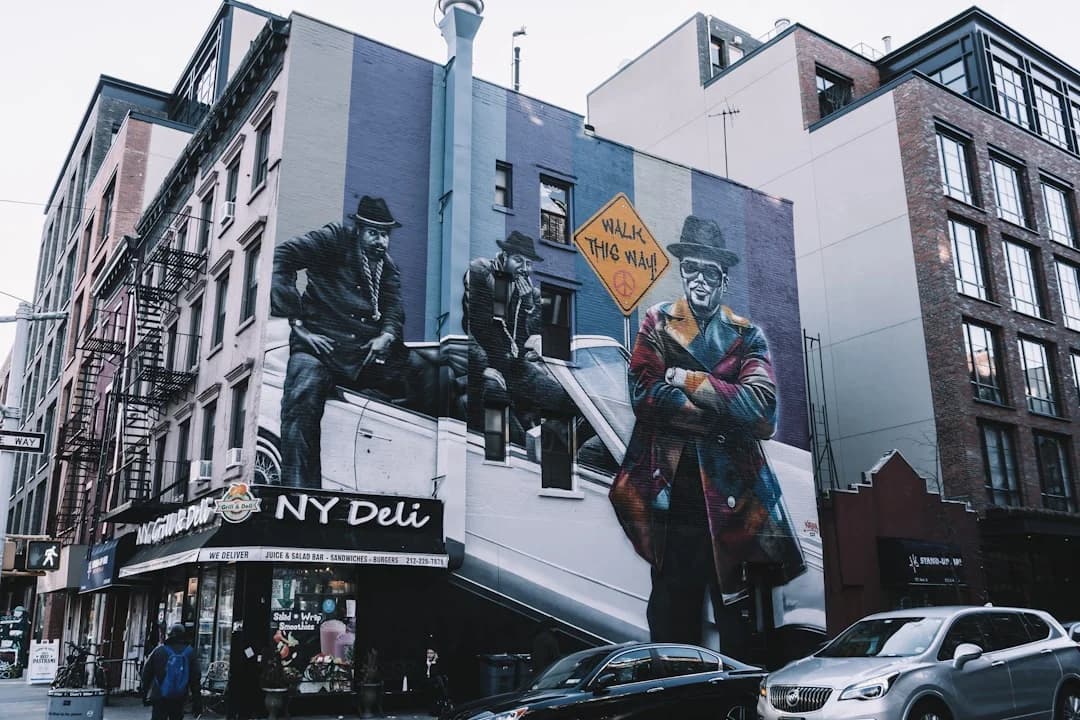
Photo by Tatiana Rodriguez on Unsplash
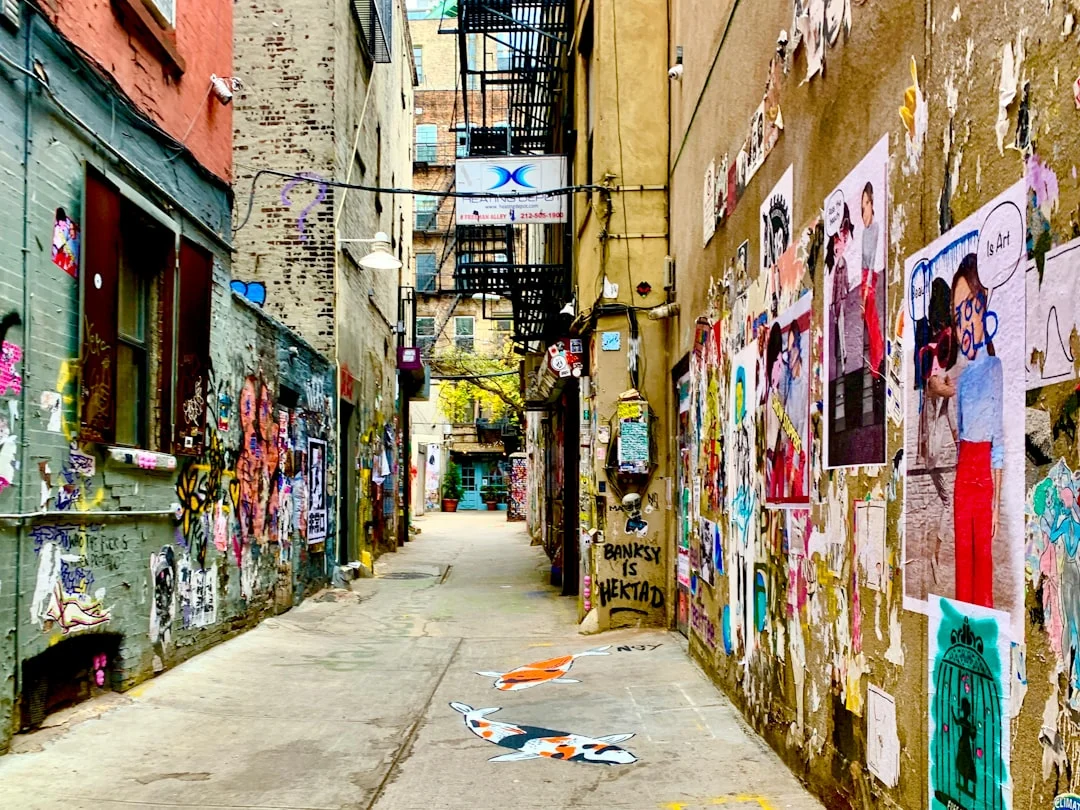
The year 2026 in New York City is shaping up as a pivotal moment for public art that blends community-funding cultures with traditional city-backed programs. Crowdfunded Public Art NYC 2026 is emerging as a keyword in newsroom briefs and cultural policy discussions, signaling a shift in how communities participate in shaping the city’s street-level art landscape. Across neighborhoods, residents, local organizations, and artists are exploring funding pathways that complement municipal support, aiming to accelerate installation timelines, broaden project scopes, and deepen the civic relevance of public artworks. This trend matters because it expands who can influence what public art looks like in practice, where it appears, and how long it remains visible in the urban environment. While city agencies continue to sponsor and curate works, community-driven contributions—whether through organized campaigns, donor circles, or partnerships with cultural nonprofits—are increasingly part of the funding mix that makes projects possible in 2026. These dynamics have immediate implications for neighborhoods seeking to revitalize corridors, engage diverse publics, and tell community stories in more tactile, visible ways. Recent examples of city-supported projects and commission programs underscore how public art in NYC is continually evolving in response to public participation and policy. For instance, the City Canvas-style initiatives and grants tied to open calls illustrate how local government and partners are integrating community input into concrete outcomes. (related.com)
Opening paragraph 2 emphasizes the broader context: in 2026, community involvement in public art is increasingly formalized through partnerships and open calls that invite residents to shape the art experience, not merely observe it. Projects like Billie Holiday memorial proposals in Queens and city-wide commissions show that public-facing art remains a core civic function, with multiple stakeholders weighing in on design, placement, and themes. The momentum around participatory projects is supported by municipal and nonprofit frameworks that encourage local artists to engage with communities during the design and installation phases. As the city explores new models for funding and stewardship, observers track how these approaches influence the tempo of installations and the inclusion of local voices in decisions that affect public space. In 2026, this ecosystem is characterized by a blend of crowdfunding-adjacent approaches and traditional public funding channels, illustrating a hybrid model for public art in the city. (nyc.gov)
What Happened
Timeline of Recent Developments
The NYC public art scene in 2026 has featured several high-profile moves that illustrate how community participation and official programs interact. In Willets Point, a large-scale installation titled The Shaping of New York was unveiled as part of a city-context public art effort coordinated by the NYC Department of Cultural Affairs in collaboration with city development agencies. The project was designed to foreground immigrant stories and was presented within a broader City Canvas-like framework that transforms construction scaffolding into art spaces. This rollout highlights how municipal bodies partner with artists and community groups to reimagine industrial or transitional spaces as cultural venues, thereby expanding the public art footprint. While the exact funding mix for this project is not disclosed here, the involvement of city departments and allied organizations demonstrates how public funding and institutional scaffolding support ambitious works that resonate with diverse audiences. (related.com)
In Spring 2026, the City of New York’s Department of Cultural Affairs released proposals for a permanent public artwork honoring Billie Holiday in Queens. The agency described an open, participatory process with finalist proposals and a timeline that culminates in a summer 2026 artist selection. The release underscores the ongoing role of open calls and public input in shaping commemorative works, illustrating how community feedback and expert assessment combine to determine which proposals advance to fruition. This process is characteristic of NYC’s public art governance, where open invitation, proposal review, and public commentary are integral to the art-commissioning workflow. “Public art plays an important role in how we tell the story of our city and who we choose to recognize within it,” the agency stated, aligning with broader policy language about inclusive storytelling in the public realm. The Billie Holiday effort is one of several 2026 cases where government agencies publicly document the selection process and anticipated timelines for community-facing monuments. (nyc.gov)
A parallel development in early 2026 is the city’s ongoing exploration of scalable, city-wide public art programs that can be deployed across boroughs. For example, NYC DOT Art reported new community commissions in 2025 and 2026 aimed at embedding art into pedestrian spaces and temporary installations as part of Car-Free or low-traffic initiatives. These projects demonstrate a municipal appetite for arts-led placemaking that can leverage private sponsorships, donor networks, and community organizing to realize installations in otherwise challenging spaces. While these programs are not inherently crowdfunding campaigns, they reflect a funding ecosystem in which communities and public agencies share responsibility for bringing art to the streets. (nyc.gov)
Notable cross-city and nonprofit activity in 2026 also demonstrates broader crowdfunding-adjacent dynamics. SaveArtSpace’s Abundance project, a public art exhibition on billboard ad space planned for 2026, illustrates how artists and organizers solicit public attention and support for artwork in commercial environments. While not strictly a donor-driven campaign, Abundance showcases how public-facing campaigns and artist-led selections can mobilize audiences and potential sponsors around accessible, high-visibility art. The project opens in September 2026 and invites artists to submit proposals for consideration, reflecting a participatory model that complements municipal arts funding. (saveartspace.org)
Historically in 2026, several institutions and initiatives have used open calls, commissions, and donor-supported programs to populate NYC’s streets with art. For instance, the Brooklyn Navy Yard’s 2026 Public Art Commissions announced temporary installations along Flushing Avenue, a project organized by a cross-sector committee and designed to bring together public space, labor history, and contemporary art discourse. While not explicitly crowdfunded, the process involved broad stakeholder engagement, which is a hallmark of art funding ecosystems that welcome community input alongside institutional support. (brooklynnavyyard.org)
Key Facts and Timelines (Gaps and Context)
- The Billie Holiday memorial in Queens is moving through a formal artist-proposal process with a Summer 2026 selection and a subsequent project realization window, illustrating NYC’s commitment to process transparency in public art. (nyc.gov)
- Willets Point’s The Shaping of New York installation demonstrates a cross-agency collaboration to activate a developing district with culturally resonant content, consistent with a City Canvas-like approach that elevates public art on city construction sites. (related.com)
- NYC DOT Art and related commissions show ongoing infrastructure-to-art pipelines that include community-facing installations and programmatic opportunities across boroughs, signaling a sustained appetite for integrative placemaking. (nyc.gov)
- Public-facing art campaigns such as SaveArtSpace Abundance underscore how billboard-ad space can host contemporary art exhibitions, expanding the geographic and social reach of art in the city while inviting community engagement. (saveartspace.org)
Funding and Partnerships
The funding landscape for 2026 in NYC public art reflects a mosaic of sources: municipal appropriations, nonprofit fundraising, and public-facing campaigns that attract attention and sponsorship. While specific line-items for each project aren’t published in the sources above, the presence of city agencies, collaboration with nonprofit partners, and open-proposal processes demonstrates a sustainable model in which multiple streams converge. This aligns with the broader trend of “Percent for Art” and related city-arts frameworks that encourage site-specific commissions and community-informed work. Public-facing talks and workshops linked to these programs emphasize transparency around selection criteria, timelines, and expected outcomes. (nyc.gov)
Why It Matters
Civic Engagement and Community Voice
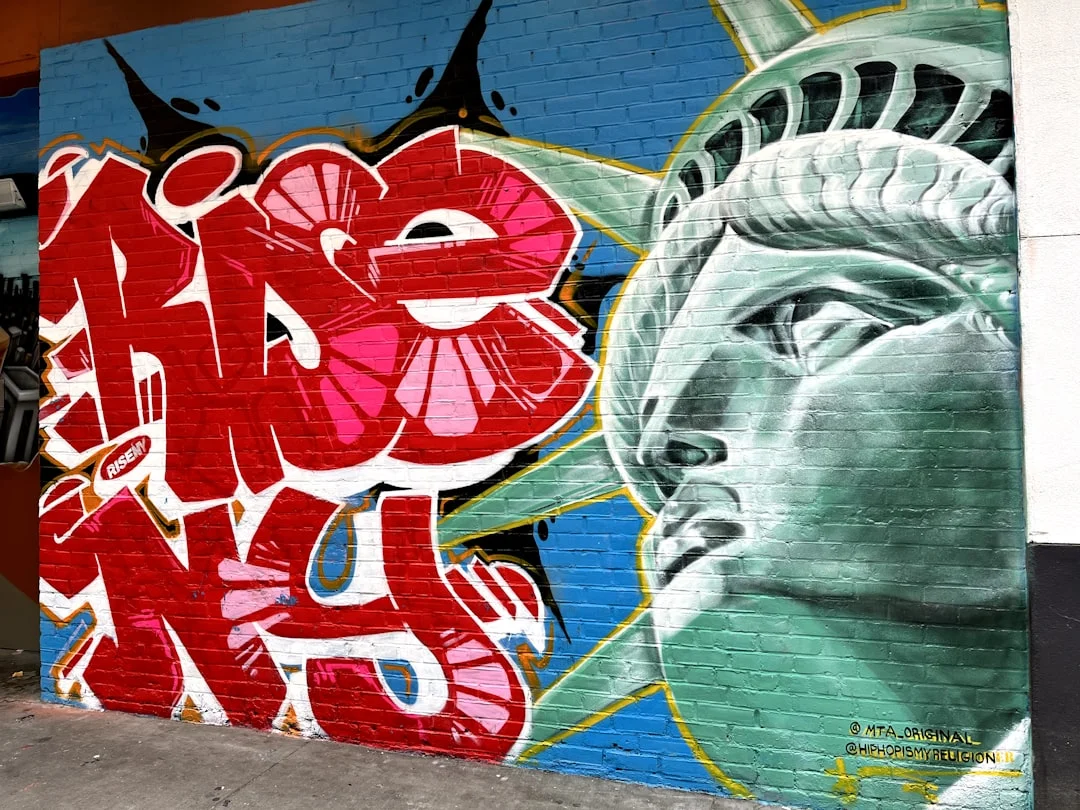
The emergence of Crowdfunded Public Art NYC 2026 signals a deeper level of civic engagement in the city’s cultural life. When communities participate in funding, design discussions, and installation placement, the resulting artworks are more likely to reflect local histories, concerns, and aspirations. The Billie Holiday proposals, open calls, and community-facing commission programs in 2026 illustrate how public stories can be amplified by formal channels while inviting grassroots input. This shift helps diversify the voices shaping New York’s public spaces and strengthens the sense of ownership residents feel toward local artworks. Quote: “Public art plays an important role in how we tell the story of our city and who we choose to recognize within it,” a NYC DCLA representative noted during the Billie Holiday proposal release, underscoring the alignment between policy aims and community participation. (nyc.gov)
Economic and Cultural Ripple Effects
Public art projects in dense urban environments generate indirect economic activity, from artist commissions to fabrication work, installation services, and ongoing maintenance. While precise multipliers vary by project, the city’s public-art programs routinely emphasize workforce opportunities for local artists, fabricators, installers, and educators, contributing to a broader cultural economy. Initiatives like The Shaping of New York and the Billie Holiday commemoration reflect this dynamic by pairing artistic storytelling with neighborhood development narratives. Although exact economic impact figures aren’t published here, these projects contribute to the city’s cultural capital and tourism appeal, particularly as neighborhoods leverage art to attract foot traffic and community events. (related.com)
Policy Context and Equity Considerations
NYC’s public-art policy landscape in 2026 continues to emphasize equity, accessibility, and accountability. The Billie Holiday initiative, the City Canvas-like projects, and the DOT Art program illustrate a shared framework where proposals are open to public input, screened by cross-disciplinary panels, and subject to transparent timelines. This approach helps ensure that the artworks placed in public spaces are accessible to broad audiences and reflect diverse community interests. The involvement of multiple agencies and nonprofit partners in these processes reinforces a governance model designed to balance artistic vision with public stewardship. (nyc.gov)
Stakeholders and Affected Groups
- Local communities along proposed art sites benefit from improved streetscapes, enhanced gathering spaces, and opportunities to engage with artists directly through workshops, town halls, and open calls.
- Artists and design teams gain access to structured channels for proposals, funding support, and installation coordination, enabling more complex or temporally extended works beyond conventional grant cycles.
- Cultural institutions and nonprofits that partner with city agencies help translate public-interest priorities into site-specific artworks, ensuring that community narratives are preserved and showcased in historically meaningful contexts.
- Small businesses and neighborhood anchors may see increased foot traffic and brand visibility as public art installations attract visitors and programming around openings or anniversary events. (brooklynnavyyard.org)
Contextual Benchmark: National and Global Trends
New York’s approach to public art in 2026 sits within a broader movement toward participatory and urban-planning-oriented art in major cities. While variations exist by city, the combination of open calls, community engagement, and partnerships between government agencies, foundations, and nonprofits is a recognizable pattern. The availability of public-facing campaigns and donor-driven initiatives in other regions demonstrates that NYC’s model aligns with a growing appetite for integrating art into civic life through collaborative funding and governance. Observers watch how these models scale, maintain artistic quality, and ensure equitable access for all neighborhoods. (nyc.gov)
What's Next
Timeline and Next Milestones
Looking ahead, several timelines are central to Crowdfunded Public Art NYC 2026. For the Billie Holiday project, the open finalist review is targeted for Summer 2026, with a subsequent installation window to follow later that year. This schedule suggests a multi-phase approach that includes proposal judging, community feedback periods, artist selection, and fabrication-to-installation lead times. In Willets Point, ongoing development and public-art activation likely align with district redevelopment milestones, with installations integrated into construction-site overlays and temporary spaces for audiences to experience the work while the area evolves. These sequences illustrate how public art can ride alongside construction and urban development timelines, requiring careful coordination among agencies, artists, and community groups. (nyc.gov)
Participation Pathways and How Readers Can Engage
For readers interested in Crowdfunded Public Art NYC 2026, several paths exist to engage, learn, and potentially contribute. Following city announcements and open-call notices from the NYC Department of Cultural Affairs and partner organizations is a practical first step. Community groups, neighborhood associations, and cultural nonprofits often coordinate forums, surveys, and listening sessions to gather resident input on proposed artworks and placements. In addition, donor-based initiatives and billboard-art showcases—such as Abundance—offer models of how audiences can support and participate in art experiences beyond traditional grant cycles. Reading up on the timelines for proposals, attending public briefings, and subscribing to program updates can help residents stay informed and prepared to contribute meaningfully. (nyc.gov)
What to Watch For in 2026–2027
- Announcement and selection updates for the Billie Holiday monument in Queens, including finalists’ proposals and community feedback outcomes, with a likelySummer 2026 decision followed by fabrication and installation windows in 2026–2027. (nyc.gov)
- New City DOT Art commissions across boroughs, including opportunities to sponsor or co-create art projects that intersect with public space policy initiatives and car-free pilots. Monitoring these developments will reveal how transportation infrastructure and public art intersect in 2026–2027. (nyc.gov)
- Billboard and billboard-ad space arts programs that reveal how commercial spaces can host curated public art, expanding visibility and audience reach for 2026–2027 exhibitions. Abundance provides a case study in this model. (saveartspace.org)
- Cross-institutional collaborations involving city agencies, nonprofits, and artist groups that pilot community-centric installations in development districts like Willets Point or near major transit hubs, offering near-term opportunities for public engagement and press visibility. (related.com)
Closing
As NYC advances into 2026 and beyond, Crowdfunded Public Art NYC 2026 stands as a timely lens on how communities, artists, and city agencies collaborate to animate public space. The year has already yielded a spectrum of activities—from open calls for commemorative works to large-scale district activations—that illustrate the city’s commitment to accessible, participatory art. While precise funding splits and project-by-project numbers may not be published in every case, the trend toward integrating community input with formal public-art processes is clear. For readers eager to stay informed, following city cultural affairs updates, nonprofit partners, and neighborhood associations will provide a steady stream of announcements, opportunities to participate, and opportunities to observe how public art continues to evolve in New York City during 2026 and beyond. The city’s public-art ecosystem remains dynamic, with ongoing dialogues about placement, storytelling, and community benefit shaping what appears on our streets and in our neighborhoods. (nyc.gov)