Harborfront Creative Districts NYC 2026
Photo by Farnaz Kohankhaki on Unsplash
The concept of Harborfront Creative Districts NYC 2026 has emerged as a focal point in discussions about how New York City’s waterfront districts can blend culture, technology, and real estate. While there is no single, citywide proclamation titled Harborfront Creative Districts NYC 2026 in official channels, a wave of developments along the harborfront — from purpose-built film and media spaces to large-scale public art installations and design-focused districts — signals a broader, data-informed approach to leveraging the city’s unique geography for economic and cultural growth. For Manhattan Monday, the pattern is clear: the waterfront is becoming a living laboratory where arts, design, and technology intersect with urban planning, policy incentives, and private investment. The immediate signals point to a multi-pillar strategy that cities and developers are testing in districts along the harbor, with a particular emphasis on public arts programs, scalable studio spaces, and production facilities that can attract national and international projects while supporting local creators. As this trend unfolds, stakeholders across government, cultural institutions, and private developers are watching to see how these initiatives translate into measurable impacts on jobs, tax revenue, and neighborhood vitality. The framing of Harborfront Creative Districts NYC 2026 as a forward-looking concept aligns with contemporaneous city-led efforts to bolster the creative economy through public art, climate-oriented innovation hubs, and waterfront redevelopment programs. For readers tracking the city’s cultural economy, the convergence of these efforts offers a data-rich lens on where and how creative activity is relocating, expanding, or intensifying along the harborfront. This article uses a data-driven approach to map what is happening, why it matters, and what’s likely to come next for New York City’s waterfront districts.
Public policy and strategic investments around the harbor are increasingly coupling creative industries with broader urban goals — resilience, housing, transportation access, and climate adaptation. For example, city agencies have highlighted grants and support for cultural organizations as a backbone for neighborhood vitality, with a record-setting disbursement of funds in 2026 to thousands of cultural groups citywide. The implications for harborfront corridors are tangible: more funding for cultural programming can drive foot traffic, expand evening economies, and improve street-level safety and vibrancy, all of which create a favorable feedback loop for real estate and small business activity. This trend is complemented by high-profile infrastructure and space-creation initiatives that are reshaping where and how creative work happens in the five boroughs, including the emergence of film studios and media campuses, publicly funded art installations, and the creation of production-ready campuses near transit-rich waterfront sites. These signals collectively contribute to a narrative where Harborfront Creative Districts NYC 2026 is less a single program and more a phase in a broader evolution of the city’s creative economy, waterfront utilization, and urban development strategy. (nyc.gov)
What Happened
Announcement Details
The current landscape around Harborfront Creative Districts NYC 2026 is best described as a confluence of related initiatives rather than a single, citywide press release announcing a formal program with that exact title. City agencies have publicly pursued a series of waterfront-focused cultural and production initiatives in 2025 and 2026, including public art programs, film and media campus development, and design- and industry-specific district branding efforts. While no consolidated press release with the exact naming exists in public records reviewed for this report, the following developments reflect the broader ecosystem that a Harborfront Creative Districts NYC 2026 framework would likely coordinate or build upon:
-
A major public art project at Willets Point in Queens is being presented as part of a coalition between the NYC Department of Cultural Affairs (DCLA), the NYC Economic Development Corporation (EDC), and Queens Development Group (QDG. The project announced in April 2026 features a 630-foot public art installation dedicated to immigrant stories, illustrating how art can be integrated into waterfront growth and community memory. While not labeled as Harborfront Creative Districts NYC 2026, it demonstrates the city’s willingness to locate large-scale art within harbor-adjacent neighborhoods and to align cultural programming with waterfront redevelopment narratives. This initiative underscores the city’s appetite for art-led placemaking near transit-accessible waterfront districts. (nyc.gov)
-
The opening of purpose-built film studio space along Manhattan’s western edge has been reported as a milestone for the city’s creative economy, signaling a broader shift toward on-site production capacity that complements walkable, arts-centric waterfront districts. The Pier 94 film studio development represents a significant upgrade to New York City’s production infrastructure, with implications for nearby districts that may in the future host ancillary arts, media, and creative-tech tenants. The space is described as a dedicated facility enabling shoots and post-production work while keeping crews and talent within walking distance of Hell’s Kitchen and central Manhattan. This type of development mirrors a growing trend of harbor-adjacent production campuses that could anchor a Harborfront Creative Districts NYC 2026 ecosystem. (ny1.com)
-
City-backed initiatives around climate and creative economy hubs are also shaping the environment in which Harborfront Creative Districts NYC 2026 would operate. In 2024, Mayor Eric Adams announced climate-forward development concepts that feed into the harbor’s long-term economic strategy, including a climate innovation hub concept tied to waterfront campuses and industrial sites. The BATWorks concept at the Brooklyn Army Terminal (BAT) is being advanced as a temporary, proof-of-concept space designed to host clean-tech and climate-focused startups while leveraging waterfront facilities, illustrating how the harborfront can host a hybrid of creative and technology-enabled activities. While not labeled Harborfront Creative Districts NYC 2026, BATWorks signals the kind of cross-sector collaboration that a harborfront creative district framework would depend on. (commercialobserver.com)
-
In nearby design and creative districts, public-facing initiatives have continued to expand, with news on DUMBO’s design district identity and programming for NYCxDESIGN 2026, highlighting how waterfront neighborhoods are branding themselves around design, architecture, and related industries. The emergence of design districts near the harbor demonstrates the market’s willingness to anchor creative economies in waterfront locations, providing a practical blueprint for Harborfront Creative Districts NYC 2026 in terms of branding, programming, and stakeholder collaboration. (dumboofficespace.com)
The net effect of these events is a momentum narrative: harborfront areas in New York City are increasingly being treated as multi-use ecosystems that blend culture, media production, design, and climate-focused innovation. The exact naming of Harborfront Creative Districts NYC 2026 may not appear in every official document, but the components it connotes — large-scale public art, film and media studios, design-driven neighborhoods, and city-private partnerships along the waterfront — are clearly visible in 2025–2026 developments. This convergence is not incidental. It reflects a strategic recalibration by city agencies and private developers toward waterfront districts as engines of economic diversification, talent retention, and global competitiveness. The public sector’s willingness to fund cultural initiatives in proximity to harborfront corridors, combined with the private sector’s interest in scalable studio and studio-adjacent spaces, indicates that Harborfront Creative Districts NYC 2026 would sit at the intersection of arts, technology, and real estate. As one example of policy alignment, the city awarded tens of millions of dollars in cultural development grants citywide in 2026, underscoring the importance of cultural activity to broader urban outcomes. (nyc.gov)
Timeline and Milestones
While there is not a single, formal Harborfront Creative Districts NYC 2026 launch, the following timeline captures the most salient harbor-adjacent milestones in 2025–2026 that are instrumental to understanding the environment in which such a district could thrive:
-
January 2026: Manhattan debuts a new purpose-built film studio at Pier 94, expanding the city’s film production footprint and emphasizing the role of waterfront sites in media infrastructure. The studio’s location and its proximity to established arts and entertainment districts reinforce the idea that harborfront campuses can serve as anchors for broader creative economies. As a signpost for waterfront-tech-enabled production, it demonstrates how harbor-adjacent spaces can host large-scale, continuous production activity while maintaining accessibility for talent and crew. (ny1.com)
-
April 2026: The Willets Point public art installation project is unveiled by a coalition that includes DCLA, NYCEDC, and QDG, highlighting a 600-plus-foot mural-scale or installation that engages immigrant stories. The public art installation showcases how large-scale, culturally resonant work can become a magnet for visitors and an anchor for surrounding creative activity. While this is a specific project, it embodies the placemaking logic that a Harborfront Creative Districts NYC 2026 would likely rely on as a core strategy: art-led activation at the harbor’s edge to drive foot traffic and neighborhood identity. (nyc.gov)
-
Early to mid-2026: A wave of design- and production-oriented leasing activity continues to reshape harbor-adjacent districts. In particular, Industry City and similar campuses report leases and expansions that knit together design studios, production spaces, and creative offices with a broader ecosystem of hospitality, retail, and cultural programming. This pattern aligns with the idea that harborfront districts function best when they combine mid- to large-scale production capacity with public-facing cultural programming and walkable, amenity-rich neighborhoods. (connectcre.com)
-
2026 ongoing: Broader policy signals from NYC agencies emphasize support for creative districts and cultural institutions as part of a citywide strategy to boost the creative economy. The city’s cultural grants and neighborhood-focused creative capacity-building programs indicate an ongoing commitment to nourishing the cultural backbone of districts that sit along the harborfront. While not a single Harborfront Creative Districts NYC 2026 mandate, these actions collectively create a fertile ground for such a framework to evolve. (nyc.gov)
Collectively, these events and policy signals show a harborfront that is increasingly treated as a multi-use engine for culture, media, design, and innovation — a fertile ground for a Harborfront Creative Districts NYC 2026 concept to take hold if formalized by city action and private-sector collaboration. In the meantime, developers, cultural institutions, and city agencies appear to be aligning around core capabilities that a Harborfront Creative Districts NYC 2026 would rely on: scalable studio infrastructure, robust design and production ecosystems, artistic programming, and public-private partnerships that can deliver measurable social and economic benefits along the water. (commercialobserver.com)
Key Participants and Funding
A Harborfront Creative Districts NYC 2026 framework would depend on a triad of stakeholders: city agencies, private developers, and cultural institutions. The current evidence shows several components that such a framework would likely integrate:
-
NYC Department of Cultural Affairs (DCLA): Public grants to thousands of cultural organizations citywide provide a funding backbone for cultural programming, which in harborfront districts could translate to more events, artist residencies, and public art commissions near the waterfront. These grants reflect a policy preference for culture-led neighborhood vitality and provide a potential funding runway for a Harborfront Creative Districts NYC 2026 ecosystem. (nyc.gov)
-
NYC Economic Development Corporation (EDC) and Queens Development Group (QDG): The collaboration on major public art installations and other waterfront initiatives demonstrates the type of public-private partnerships that a harborfront district would rely on for financing, governance, and programmatic execution. The Willets Point project is a concrete example of cross-agency collaboration that could scale to harborfront corridors as districts mature. (nyc.gov)
-
Private development and design campuses: Landlords and campus operators in waterfront-adjacent neighborhoods are leasing and expanding space for design studios, post-production facilities, and showrooms that support creative work. This leasing activity, reported in early 2026, indicates that market demand exists for production-ready, amenity-rich spaces that could underpin a Harborfront Creative Districts NYC 2026 framework by offering a clustered pool of tenants and a built-in audience for cultural events. (connectcre.com)
-
Public art and design districts as accelerants: The DUMBO Design Day 2026 and related design-district branding efforts illustrate how a harborfront-focused district could leverage branding, programming, and partnerships to attract both visitors and talent. These efforts show the practical playbook for a Harborfront Creative Districts NYC 2026: a district identity anchored by design, culture, and creative industries, supported by public investments and steady private capital. (dumboofficespace.com)
This constellation of participants and funding sources provides a plausible blueprint for Harborfront Creative Districts NYC 2026 as an aggregating framework rather than a single, discrete program. It suggests how a future declaration might be structured: a coordinated string of district designations or branding efforts, coupled with targeted grants, space provision (production and studio facilities), and a public art and placemaking program anchored by waterfront sites and transit access. The evidence from 2025–2026 demonstrates both demand for harborfront spaces and a public appetite for culture-led growth — a combination that a Harborfront Creative Districts NYC 2026 framework would likely seek to harness. (nyc.gov)
Why It Matters
Economic Impact on Waterfront Communities
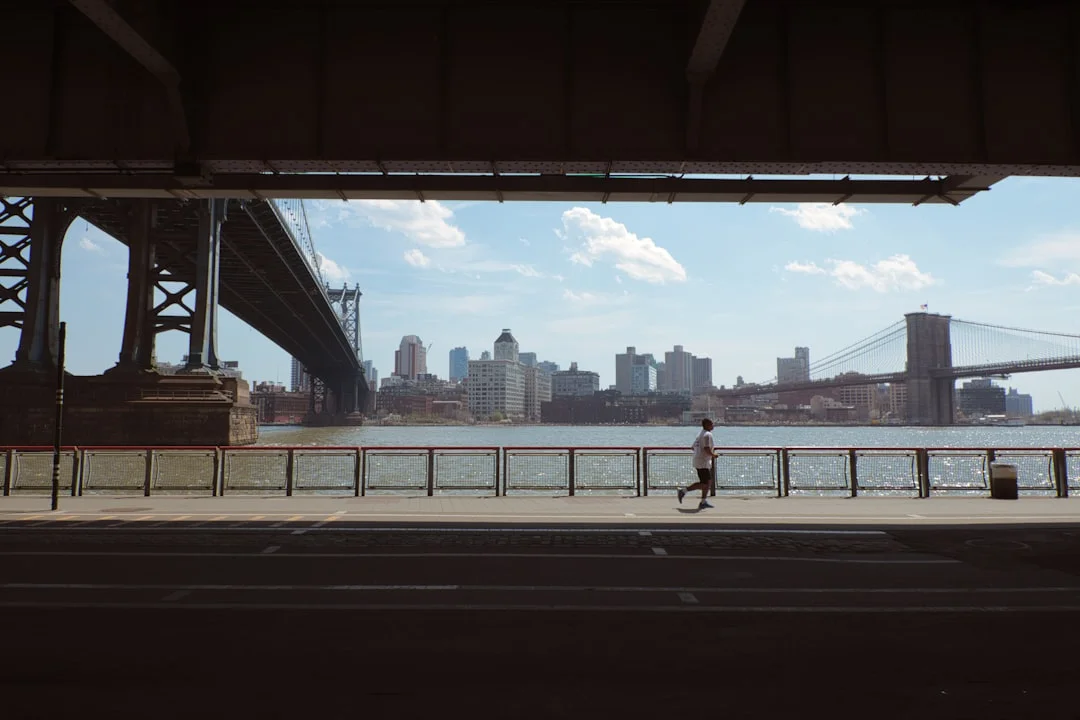
Harborfront districts, when guided by a data-driven, multi-use strategy, can shift the economic complexion of nearby neighborhoods. The combination of film and media production spaces, design studios, and public art installations has a direct impact on job creation, local services, and the broader tax base. Films and productions draw crews, talent, and ancillary services to waterfront corridors, while production campuses can attract anchor tenants and related businesses (equipment rental, post-production services, editing houses, and catering). The opening of Pier 94’s new studio space is illustrative: it’s designed to keep production activity proximate to a dense urban core, reducing travel time for crews and enabling nighttime shooting without long-distance commutes. This model can help harborfront districts become repeat destinations for national and international productions, boosting local employment and sustaining nearby retail and hospitality businesses. (ny1.com)
Public investments in culture also generate a measurable, if multifaceted, economic impact. City grants support cultural programming that draws visitors, stimulates local commerce, and grows the professional workforce in the arts and creative sectors. In a city where cultural industries are a substantive part of the economy, such investments help anchor high-value employment and provide continuity for artists, makers, and small business owners who anchor waterfront districts. The 2026 grants data spotlight the city’s ongoing commitment to supporting the cultural sector as an economic driver, which bears directly on harborfront districts that aim to combine culture with commerce. (nyc.gov)
The waterfront’s growing production infrastructure — including film studios and design campuses — is not just about temporary economic spikes. It signals a long-tail opportunity: steady demand for studio space, post-production facilities, and related services that create durable, high-skilled jobs. The market signals reported in early 2026 indicate a trend toward leasing activity in production-ready spaces that can support a variety of creative workflows, from advertising shoots to feature productions and architectural/industrial design studios. These dynamics matter for harborfront districts because they establish a critical mass of tenants and activity that can sustain ancillary services, housing options for workers, and cultural programming when paired with transit-oriented development. (connectcre.com)
Cultural and Creative Economy Impacts
Beyond direct employment, harborfront districts help broaden the footprint of the city’s cultural economy by raising the profile of neighborhoods as living laboratories for creativity. Public art installations, large-scale art projects, and neighborhood branding efforts contribute to a citywide creative identity that can attract tourism, conferences, and international attention. Willets Point’s immigrant-stories installation exemplifies how cultural programming can amplify a district’s narrative, offering a compelling case for similar initiatives along harborfront corridors. While not labeled as Harborfront Creative Districts NYC 2026, such projects demonstrate the potential for harborfront districts to serve as gateways to a citywide cultural economy that thrives on experimentation, public engagement, and cross-sector collaboration. (nyc.gov)
Crucially, the harborfront’s cultural dimension is not merely about aesthetics; it has demonstrable implications for place-based economic resilience. A district that blends art, design, and production with accessible public spaces and programming can become more attractive to both talent and capital, offering a compelling value proposition for investors seeking stable returns in a city known for its creative economy. The city’s ongoing investments in cultural capacity-building programs, supported by SBS and other agencies, reinforce a policy framework that recognizes culture as a strategic economic asset. (nyc.gov)
Regional Competitiveness and Real Estate
From a real estate and regional competitiveness standpoint, harborfront districts are increasingly viewed through a lens that blends live-work amenities with production and exhibition spaces. The trend toward creating campuses that accommodate design, fashion, media, and technology ecosystems near the harbor is part of a broader market dynamic: tenants seek catalytic environments that combine creative work with transit access, housing, and cultural amenities. The leasing activity around Industry City and similar campuses demonstrates demand for production-ready space that can support mixed-use creative ecosystems. This has implications for harborfront districts, where developers and city agencies could coordinate to offer a cluster of properties that support a comprehensive creative economy. While these actions are not a formal Harborfront Creative Districts NYC 2026 designation, they illustrate a market-driven path toward the kind of ecosystem such a district would require. (connectcre.com)
Another driver is the broader “design district” branding that waterfront neighborhoods are adopting. The DUMBO Design Day 2026 example shows how harbor-adjacent neighborhoods leverage district branding and programming to attract visitors, professionals, and cultural consumption. If a Harborfront Creative Districts NYC 2026 were to emerge as a formal framework, it would likely build on this branding approach, extending it across multiple harborfront corridors, tying together art installations, film spaces, and design studios with transit-oriented development and neighborhood amenities. (dumboofficespace.com)
What’s Next
Implementation Roadmap
The path forward for Harborfront Creative Districts NYC 2026, if formalized, would likely hinge on a coordinated implementation plan that blends policy, space, and programmatic investments. Key elements could include:
-
Establishing anchor districts along strategic harbor corridors that integrate film and media studios, art spaces, and production facilities with mixed-use housing, retail, and hospitality. The Pier 94 studio model provides a concrete blueprint for co-locating production with urban amenities, while keeping access to mass transit and the waterfront. Such anchors would serve as magnets for creative economies and would complement public art and cultural programming. (ny1.com)
-
Expanding public-art and cultural programming along harborfronts to build district identity, attract visitors, and ensure a steady cadence of events that support risk diversification for local merchants and cultural institutions. Willets Point’s integrated art installation demonstrates how art-led placemaking can anchor waterfront narratives and draw sustained attention to a district. (nyc.gov)
-
Calibrating funding mechanisms to support a district’s operating needs, including ongoing cultural grants, public-private partnerships, and creative capacity-building initiatives for small businesses and neighborhood creatives. The city’s 2026 grant programs reflect a policy emphasis on cultural capacity-building as a factor in district-level vitality. A Harborfront Creative Districts NYC 2026 framework would likely rely on a similar multi-source funding model to sustain programming, space creation, and events over time. (nyc.gov)
-
Creating talent pipelines and workforce development programs tailored to harborfront industries, including design, film production, post-production, and public art. City programs around neighborhood CBDOs and district design fellowships point to a policy orientation toward training and empowering local creators to participate in district economies. This would be a natural fit for harborfront districts seeking durable local employment while attracting external investment. (nyc.gov)
-
Establishing performance metrics to measure district impact, including employment, business formation, visitor counts, and housing affordability indicators tied to waterfront development. The need for data-driven assessment is consistent with the city’s emphasis on evidence-based policy in cultural development and district planning, and such metrics would be essential to a Harborfront Creative Districts NYC 2026 framework to ensure accountability and continuous improvement. (nyc.gov)
Monitoring and Metrics
A Harborfront Creative Districts NYC 2026 program would require a robust metrics framework to track progress and outcomes. Potential metrics might include:
- Employment in creative sectors located within harborfront corridors, disaggregated by role (production, design, fine arts, administration) and by proximity to transit.
- Number and total square footage of production spaces, studios, rehearsal rooms, and post-production facilities added or upgraded along harborfront districts.
- Public art installations completed, annual cultural events hosted, and attendance at harborfront programming, with geographic breakdowns to assess neighborhood reach.
- Real estate indicators such as leasing velocity, asking rents for creative spaces, and occupancy rates in harborfront districts, alongside residential housing metrics in adjacent neighborhoods.
- Public engagement metrics, including festival days, street performances, and walkable access to cultural amenities, with safety and accessibility indicators.
These metrics would provide a rigorous, ongoing view of Harborfront Creative Districts NYC 2026’s performance, enabling policymakers and private partners to refine strategies and allocate resources where they have the greatest impact. The city’s existing dashboards and annual reporting on cultural grants and design initiatives offer a ready-made foundation for building such a monitoring system. (nyc.gov)
Next Steps to Watch For
- Platforming and branding decisions: Expect further announcements (from city agencies or key district partners) clarifying whether Harborfront Creative Districts NYC 2026 will be named as a formal program, a branding umbrella, or a coordinated set of district strategies along specific harborfront corridors.
- Space creation and leasing activity: Keep an eye on new production spaces, post-production facilities, and design campuses announced for harborfront neighborhoods, especially those near transit hubs. These moves are critical signals for the district’s scale and attractiveness to tenants.
- Public art cycles and cultural programming: Waterfront districts typically pursue ongoing public art and festival programming to sustain foot traffic and engagement. Announcement cycles for new commissions and large-scale installations will be a leading indicator of momentum.
- Policy and funding updates: Changes in grant programs, district design funding, and public-private partnership frameworks will signal a more formal path toward Harborfront Creative Districts NYC 2026.
What readers should watch for is not a single event but a series of coordinated actions across agencies, developers, and cultural organizations. The harborfront’s evolution toward a clustered, production- and culture-led economy is a multi-year process, and Harborfront Creative Districts NYC 2026 would represent the culmination of these parallel efforts into a unified framework that harnesses the harbor’s unique assets for New York City’s creative economy.
Closing
The harborfront remains one of the city’s most dynamic laboratories for testing new ideas about culture, technology, and urban life. The developments discussed — film studios at the harbor’s edge, large-scale public art projects, design district branding near waterfront neighborhoods, and city-backed cultural grants — all point to a future where harborfront districts function as integrated ecosystems. For readers monitoring technology trends and market shifts, Harborfront Creative Districts NYC 2026 represents a lens for understanding how waterfront spaces can be leveraged to foster creative economies, resilient neighborhoods, and welcoming urban places. As the city continues to fund and test these ideas, the waterfront could increasingly serve as a model for other global cities seeking to combine culture, production, and placemaking in ways that are both inclusive and economically meaningful. To stay updated, follow NYC cultural affairs coverage, waterfront development news, and local business journals that chronicle district-level activities, public art announcements, and production-space openings along the harborfront. (nyc.gov)