Independent Bookstores as Cultural Anchors in NYC 2026

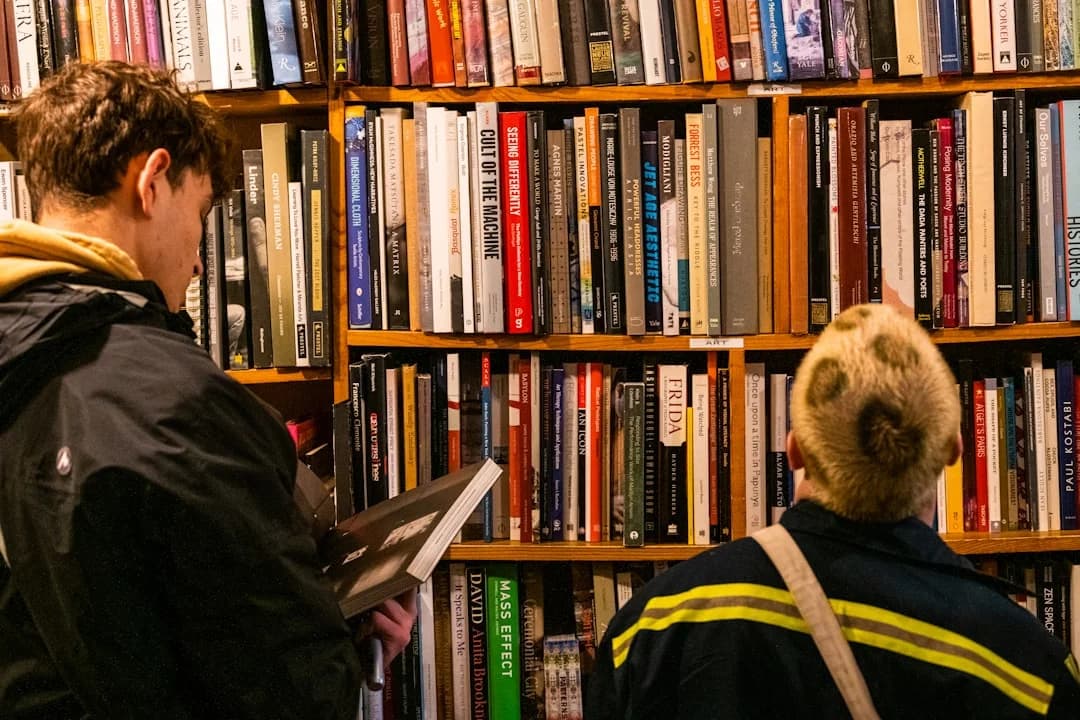
Photo by Michael Moloney on Unsplash
Independent Bookstores as Cultural Anchors in NYC 2026 is shaping up as more than a literary phenomenon and more like a signal of how New York City neighborhoods anchor their cultural identities through brick-and-mortar retail, programming, and community partnerships. Manhattan Monday presents a data-driven snapshot of how independent booksellers across the city and the nation are increasingly positioned as cultural anchors—space holders for readings, conversations, and local collaboration that extend beyond the sale of books. In 2026, the national trend toward bookstore growth is converging with New York’s enduring appetite for civic and cultural infrastructure, making indie bookstores a focal point for neighborhood identity and urban life. This analysis synthesizes recent national data with local coverage and ongoing NYC developments to illuminate what independence in bookselling means for culture, economy, and city planning in 2026. Independent Bookstores as Cultural Anchors in NYC 2026 is not just about shelves; it is about how communities deploy these spaces as social infrastructure, education hubs, and connectors of artists, readers, students, and neighbors. The latest national numbers underscore why these stores matter: after years of contraction in some retail sectors, independent bookstores are expanding again, signaling a rebalanced ecosystem in which indie venues contribute to urban vibrancy and cultural continuity. The broader context is essential: a nationwide rebound in physical retail experiences paired with targeted local investments and a vibrant, hybrid model of in-person and online engagement. Sources documenting this dynamic include national industry reporting and local NYC coverage that together frame the city’s unique position within a broader cultural economy. (apnews.com)
In 2025, the momentum across the United States translated into measurable growth for independent bookstores, a trend that NYC storied markets are uniquely positioned to leverage. National trade data reported a notable uptick in new bookstore openings, with industry observers noting that independent stores are expanding at a pace not seen in recent history. This uptick matters for New York City in two distinct ways: first, it reinforces the city’s role as a national hub for publishing, literature, and culture, and second, it elevates the importance of local independent booksellers as community centers and public programming partners. The scale of the trend—tied to the resilience of local business models and a consumer resurgence of in-store experiences—helps explain why independent booksellers are increasingly treated as cultural anchors in urban policy and neighborhood planning discourse. (axios.com)
Locally, NYC’s independent bookstores are translating national momentum into city-level impact through continued openings, community programs, and collaborations with schools, nonprofits, and cultural institutions. The city remains home to enduring anchors while welcoming new entrants and adaptive concept stores that blur the line between retail and cultural venue. Astoria Bookshop, for example, has embedded residency programs and community projects that demonstrate how a bookstore can function as an artist-in-residence hub and a local incubator for creative work. Meanwhile, new entrants in nearby neighborhoods signal a widening footprint for indie booksellers across Queens, Brooklyn, Manhattan, and beyond. The broader arc is evident in coverage of the NYC scene, which emphasizes bookstores as “community anchors” and multi-use cultural spaces rather than mere shops. In Astoria and elsewhere, the trend toward in-store programming—author talks, poetry readings, workshops, and collaborative events—continues to strengthen the bookstore’s role as neighborhood infrastructure. (givemeastoria.com)
The notion of NYC bookstores as cultural anchors is also reinforced by broader city and national reporting on cultural investment and the evolving retail landscape. National outlets highlight a rebound in independent bookstores alongside continued growth of bookstore chains, with analysts noting how the two segments increasingly share consumer demand for curated, in-store experiences. For policymakers, that translates into a recognition that indie bookstores contribute to neighborhood vitality, educational access, and local creative economies—areas often prioritized in cultural budgets and economic development plans. The national context is complemented by New York City-specific coverage of cultural investment in the FY 2026 landscape, which underscores a broader commitment to sustaining cultural institutions and community spaces that can serve as anchors for neighborhoods. This alignment between city investment and bookstore-led community programming helps explain why Independent Bookstores as Cultural Anchors in NYC 2026 is more than a headline—it is a structural trend with implications for urban life, local economies, and cultural access. (washingtonpost.com)
Section 1: What Happened
A nationwide surge compounds New York City’s bookstore ecosystem
A persistent growth trajectory for indie bookstores
Recent national reporting shows a consistent rebound for independent bookstores after years of adjustment in the retail sector. A prominent 2026 national analysis notes that indie booksellers have been expanding efforts, opening new locations, and reviving in-store programming that emphasizes community engagement and cultural value. The trend is part of a broader retail revival in which independent stores are reclaiming a role as cultural venues, not just points of sale. The data cited in major outlets indicates a surge in new stores in 2025, with figures showing more than 400 new independents opening nationwide in that year—a 31% year-over-year increase from 2024 in at least one national data set. The central takeaway is that indie bookstores are reasserting their relevance by doubling down on experiential elements that online platforms cannot replicate. (axios.com)
NYC stores as microcosms of a national trend
Within this national frame, New York City’s independent bookstores illustrate how local ecosystems can scale the cultural function of small, community-centered operations. The Strand Bookstore and other long-standing independents have continued to anchor neighborhoods, serving as accessible venues for author events, readings, and educational programs that bring residents together and connect them with broader literary networks. The local landscape also shows an influx of new stores and the expansion of programming at existing venues, reinforcing the city’s unique role as both a publishing hub and a cultural laboratory where traditional bookstores intersect with contemporary media, events, and community-driven projects. While precise citywide counts for 2025–2026 are not publicly enumerated in a single source, multiple city-focused outlets and industry trackers consistently frame NYC as a leading epicenter for independent bookselling and associated cultural activity. (nycbookstores.org)
Community programming as a growth driver
In 2026, the NYC scene demonstrates how bookstores monetize their cultural value through programming that extends beyond books. Local outlets report stories of in-store readings, book clubs, and artist residencies that create recurring community engagement and cross-sector partnerships with libraries, schools, and arts organizations. For example, Astoria Bookshop’s residency program illustrates how a bookstore can function as a platform for artists to incubate new work and for readers to engage directly with creators. Such initiatives help explain why indie bookstores are increasingly regarded as cultural anchors and why local coverage treats them as integral components of neighborhood identity. (givemeastoria.com)
Timelines and notable local developments in 2025–2026
Key openings and initiatives
- 2025–2026 saw continued openings in the NYC area, including both established stores expanding offerings and new entrants seeking to fill niche spaces in the city’s dense literary ecosystem. Coverage of independent bookstores in NYC highlights a vibrant mix of traditional storefronts and newer ventures that emphasize community programming and collaborative events. While precise year-by-year opening tallies for NYC alone are not detailed in every report, the overall momentum is clear in national data and local reportage. (nycbookstores.org)
- Specific local examples include the Astoria Bookshop case, where a residency program has been part of its model for fostering creative work and cross-disciplinary collaboration. This pattern—merging literature with other arts and community activities—appears in multiple NYC venues and reinforces the idea that bookstores can function as cultural hubs within the urban fabric. (givemeastoria.com)
- A forthcoming or upcoming worker-owned concept in nearby neighborhoods has also appeared on industry listings, signaling a diversification of ownership models that can influence how independent bookstores engage with neighborhoods and labor in 2026. This represents another facet of the sector’s evolving structure that can strengthen a city’s cultural economy over time. (bookshop.org)
Industry and policy context shaping the NYC narrative
Public investment and cultural policy
City-level policy and funding can amplify the cultural role of independent booksellers. For NYC in 2026, broader cultural investment—such as the city’s budgeting and support for cultural institutions—creates a favorable environment for indie bookstores to grow and contribute to neighborhood vitality. City leadership and cultural agencies have historically signaled a commitment to sustaining cultural infrastructure, and 2026 coverage underscores that trend in a way that could indirectly benefit independent bookstores by stabilizing the broader ecosystem in which they operate. While these policy signals are not bookstore-specific mandates, they provide the macroeconomic and cultural backdrop that supports bookstore-led programming and community engagement. (nyc.gov)
Market dynamics and competitive context
The evolving retail landscape, including competition from large bookstore chains and online retailers, continues to shape how independent bookstores position themselves as cultural anchors. Analysts note that while chains like Barnes & Noble expand in some markets, indie stores are differentiating themselves through curated experiences, local collaborations, and deeply rooted connections to their communities. The coexistence of these formats may create a more resilient overall market for physical books and related cultural activities, particularly in urban centers like NYC that value experiential spaces. This nuanced market view helps explain why independent bookstores remain central to neighborhood identity, even as the retail environment remains dynamic. (military.com)
Section 2: Why It Matters
Cultural resilience and neighborhood identity
The bookstore as cultural anchor
Independent bookstores are increasingly described as cultural anchors because they host public programs, support local authors, and create accessible spaces for readers of all ages. In a city as dense and dynamic as New York, these venues offer continuity, a space for dialogue, and a venue for local talent to connect with audiences. The literature on this topic emphasizes that bookstores function as community spaces—places where readers meet, ideas circulate, and culture is actively produced on a human scale. This is not merely a sentimental view: it reflects the observable patterns of programming, partnerships, and foot traffic that accompany successful indie bookstores in 2026. National and local reporting corroborates the idea that indie bookstores contribute meaningfully to neighborhood identity and cultural resilience. (washingtonpost.com)
The broader cultural economy
As independent bookstores expand, they contribute to a broader cultural economy by supporting authors, illustrators, and small presses, as well as by partnering with libraries, schools, and arts organizations. These collaborations help seed local ecosystems where literacy, creativity, and critical discourse can flourish. In NYC, the presence of well-established anchors alongside new entrants creates a diverse cultural landscape that supports both traditional literary culture and contemporary cross-disciplinary programming. This growth aligns with national trends that view indie bookstores as part of the revival of physical retail experiences—experiences that emphasize curated discovery, human connection, and durable cultural value. (axios.com)
Economic and policy context
Economic impact on neighborhoods
Indie bookstores contribute to local economies beyond sales. They host events that drive foot traffic, support adjacent small businesses (cafés, restaurants, galleries, boutiques), and create stable employment opportunities—especially for part-time staff and student workers who gain exposure to publishing and event management. In a city like NYC, where real estate costs and operating margins are high, the ability of bookstores to serve as community hubs can be a meaningful factor in neighborhood vitality, tourism appeal, and the consistency of street life. While precise citywide economic contribution figures for indie bookstores in 2026 are not cataloged in a single public dataset, the aggregation of local programming and cross-sector partnerships described in city and industry reporting points to a tangible, positive economic impact on surrounding businesses and the cultural economy. (nyc.gov)
Policy signals and cultural funding
Policy environments that recognize the cultural value of independent bookstores can create supportive conditions for growth. NYC’s broader cultural investment framework, including allocations for cultural institutions and neighborhood initiatives, helps ensure that bookstores have a stable operating environment and opportunities to partner with public entities on programming, outreach, and education initiatives. While not bookstore-specific policies, these funding signals are relevant to understanding the ecosystem in which indie bookstores operate in 2026. (nyc.gov)
Digital transformation and community engagement
The in-store experience vs. online engagement
Independent bookstores have learned to balance the intimate in-store experience with the reach of online channels. Event calendars, author Q&As, virtual readings, and social media engagement complement physical storefronts, expanding access to audiences beyond neighborhood footprints while preserving a location-based community anchor. The growth in in-store programming described in local reporting, combined with a national rebound in physical retail experiences, underscores the importance of a balanced approach that leverages both digital and in-person channels. This dual strategy aligns with broader industry observations about the evolving role of indie bookstores in the digital age. (nycaller.com)
Community partnerships and cross-arts collaboration
NYC indie bookstores increasingly collaborate with libraries, schools, and artist collectives to expand access to literature and arts programming. The Astoria Bookshop’s residency model is one example of how bookstores can function as cross-disciplinary spaces that support artists, writers, and readers alike. These partnerships help sustain engagement, attract diverse audiences, and position bookstores as essential cultural infrastructure in neighborhoods. (givemeastoria.com)
Section 3: What’s Next
The next phase for Independent Bookstores as Cultural Anchors in NYC 2026
Continued expansion and diversification
Industry analysts expect continued growth in independent bookstores through 2026 and beyond, driven by consumer demand for curated experiences, local relevance, and community-oriented programming. The broader trend toward indie bookstore expansion—supported by data indicating a robust market and rising consumer interest in physical books and curated events—suggests that NYC will continue to see steady growth in storefronts, partnerships, and cultural programming. The scale of national growth provides a context for city planners and cultural organizations to anticipate and plan for the increased presence of indie bookstores as anchors in urban ecosystems. (axios.com)
Watch for new entrants and ownership models
The NYC indie scene is diversifying in terms of ownership and governance, with listings indicating new worker-owned models and collaborative ventures. While exact details require ongoing reporting, the trend signals a potential shift in how bookstores operate, partner with communities, and allocate profits toward programming and access initiatives. Observers will want to track openings in neighborhoods across Queens, Brooklyn, Manhattan, the Bronx, and Staten Island as part of a broader strategy to maintain a citywide network of cultural anchors that are both accessible and economically sustainable. (bookshop.org)
Policy and programmatic developments to watch
City cultural policy and philanthropic support will continue to shape the trajectory of indie bookstores in NYC. The alignment between city-funded cultural programming and bookstore-led community activities could yield a virtuous cycle: more programming attracts more visitors, which in turn supports local authors, publishers, and small presses. Stakeholders should monitor updates to city cultural budgets, institutional partnerships, and neighborhood development plans to forecast where indie bookstores might gain or lose momentum as cultural anchors in 2026 and beyond. (nyc.gov)
What readers and communities should watch next
- Upcoming store openings or relocations in key NYC neighborhoods, with an eye toward accessibility and programming capacity. While not every opening is widely publicized, local coverage and trade journalism will continue to chronicle new venues and their community roles. (nycbookstores.org)
- The evolution of residency programs, artist collaborations, and cross-arts partnerships that demonstrate bookstores’ expanding cultural reach. Astoria Bookshop’s example provides a blueprint for how indie bookstores can become multi-use spaces that foster local talent. (givemeastoria.com)
- National and regional data on bookstore openings, sales, and consumer interest in physical books, which will help readers understand the ongoing balance between online, big-box, and independent channels in 2026 and beyond. (axios.com)
Closing
Independent Bookstores as Cultural Anchors in NYC 2026 represents a convergence of national momentum and local action that positions independent bookstores as essential elements of New York City’s cultural infrastructure. The combination of more stores, robust programming, and strategic partnerships with libraries, schools, and artists indicates that these venues are increasingly central to how neighborhoods define identity, accessibility, and community life in a fast-changing urban landscape. For readers, residents, and visitors, the implication is clear: for 2026 and into the near future, independent bookstores remain not only places to buy books but vibrant, living spaces where culture is created, shared, and sustained in the city’s neighborhoods.
To stay updated on developments in Independent Bookstores as Cultural Anchors in NYC 2026, follow city cultural news coverage, industry reports, and local bookstore programming calendars. The NYC book scene remains dynamic, with new entrants and ongoing anchors continuing to shape how New York City neighborhoods experience culture, learning, and community in the years ahead. (washingtonpost.com)