Midtown Micro-ateliers & Artist-residence 2026
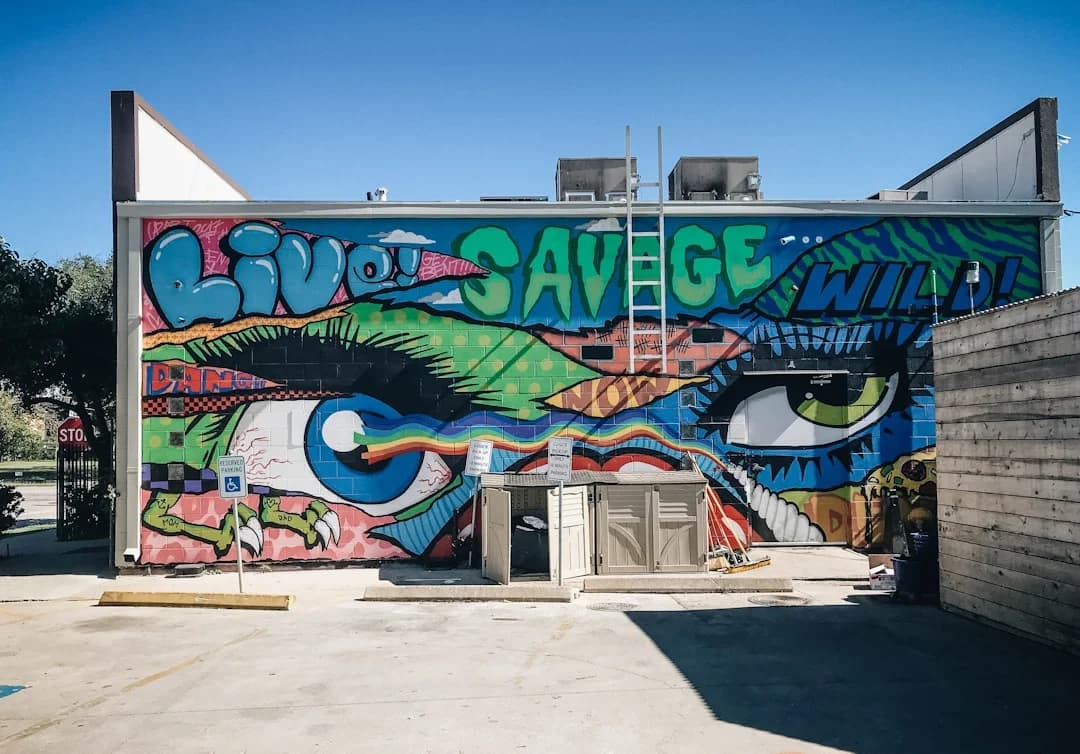
Photo by Felipe Galvan on Unsplash
The Midtown skyline is quietly reshaping as 2026 unfolds, with Midtown micro-ateliers and artist-residence partnerships 2026 emerging as a live-work strategy that could redefine how underused office stock is reimagined for creative use. In parallel with New York City’s ongoing push to convert office space to housing, analysts say Midtown-specific initiatives are accelerating, offering artists, startups, and cultural organizations new access to compact studios and residency opportunities in a high-demand corridor. This shift arrives at a moment when office-to-residential conversions across Manhattan are entering a higher gear, driven by market demand and policy incentives intended to unlock new uses for vacant or underutilized towers. (sch.cushmanwakefield.com)
For readers watching technology and market trends, the practical question is not only where these spaces come from, but how they influence productivity, cultural ecosystems, and neighborhood dynamics. Early 2026 data from industry research shows Midtown accounts for more than half of planned office-to-residential conversions in Manhattan, underscoring the submarket’s outsized role as a testing ground for mixed-use formats that blend work, art, and habitation. Together with ongoing residency programs and artist-support initiatives, Midtown micro-ateliers and artist-residence partnerships 2026 are creating a mosaic of opportunities that reach beyond traditional galleries and studios. The momentum matters for developers, co-working operators, and cultural nonprofits seeking scalable models for live-work spaces. (sch.cushmanwakefield.com)
Open conversations around these programs emphasize transparency and measurable outcomes: how many studios are created, what rents or stipends are offered, and how residencies are integrated with nearby cultural institutions and civic programs. As of early 2026, city-level and private initiatives across New York City are testing a spectrum of approaches—from short-term, subsidized studios to longer, funded artist-in-residence agreements—while noting Midtown’s amplified share of conversion activity. This context helps explain why Midtown micro-ateliers and artist-residence partnerships 2026 have become a focal point for real estate strategists, urban planners, and arts administrators alike. (sch.cushmanwakefield.com)
What Happened
Announcement Overview
Numerous actors across Manhattan began highlighting Midtown-focused live-work concepts in 2026, building on a broader trend of office-to-residential conversions already well underway in the city. While there is no single “Midtown micro-ateliers” program laid out as a city-wide mandate, several parallel efforts reflect a shared objective: convert underutilized office floors or vacant storefronts into compact, artist-friendly spaces that support creative production alongside living arrangements. In 2026, the city’s policy backdrop continues to encourage creative residencies that align with civic goals, including public art, community engagement, and the demonstration of adaptive reuse as a city-building tool. The policy landscape features ongoing initiatives like the NYC Public Artists in Residence (PAIR) program as a vehicle for municipal collaboration with artists and agencies, illustrating a broader appetite for formalized residency structures. (nyc.gov)
Timeframe and concrete signals in early 2026 point to a multi-pronged approach rather than a single program. For example, NYC-based residencies and artist-led projects have continued to surface in the news and on program pages, indicating a steady pipeline of opportunities that can intersect Midtown locations. No one project encapsulates all Midtown micro-ateliers, but the collection of programs—ranging from city-endorsed residencies to independent artist-in-residence calls—creates a usable blueprint for developers seeking to integrate culture with real estate redesigns in Midtown. (nyc.gov)
Timeline and Key Facts
- February 2026: Cushman & Wakefield issues an updated NYC Office-to-Residential Conversions report, highlighting a rapid acceleration in Midtown conversions and detailing a forward pipeline of nearly 9.8 million square feet planned for conversion, with Midtown accounting for 51.6% of proposed conversions. This is a crucial data point showing where the market is concentrating activity. (sch.cushmanwakefield.com)
- March 16–April 5, 2026: Silver Art Projects opens applications for its 2026–27 residency cohort, representing another high-profile NYC option for artist studios and professional development within a residency framework. This demonstrates continued demand for structured studio space and mentorship within the city. (silverart.org)
- June 30, 2026: Kunstraum LLC announces an open call for its 2026–27 Artists-in-Residence program, signaling ongoing private-sector and artist-run interest in providing living/working environments in New York City’s artist community. This date marks a practical deadline for artists seeking to participate in NYC-based residencies that can intersect Midtown projects. (kunstraumllc.com)
- 2026: Eyebeam reveals its 2026 resident cohort, illustrating how NYC-based facilities continue to host interdisciplinary artists focusing on technology and society, which aligns with the broader trend of “tech-forward” residencies contributing to the Midtown ecosystem. (eyebeam.org)
- 2026: Manhattan Neighborhood Network (MNN) advertises its 2026 Artist-in-Residence program, which provides NYC-based artists access to facilities, production capabilities, and collaborative opportunities that can cross into Midtown-adjacent activity and partnerships. (mnn.org)
Key players rooted in Midtown-adjacent or historically artist-friendly spaces include Rodin Studios and the Sherwood Studio Building, which anchor Midtown’s legacy as a hub for artists’ live-work environments (even as these historic buildings have evolved over time toward mixed-use or office-focused configurations). These cases illustrate how Midtown’s architectural fabric has long supported studio density and artist residencies, even before the modern push for micro-scale live-work modules. (hdc.org)
Section 1 Case Studies and Evidence
- The Blanc – Space for Creativity advertises Midtown Manhattan artist studios aiming to offer private workspaces, collaborative opportunities, and curated exhibitions, highlighting a current market for professional-grade artist spaces in the heart of Midtown. This demonstrates the ongoing demand for high-quality studio environments in a dense urban setting. (theblanc.art)
- The Rodin Studios and similar historic studio buildings in Midtown underscore the city’s long-running pattern of purpose-built live-work spaces for artists, with modern uses now often transitioning into office or mixed-use configurations while still maintaining artist-centric legacies. These properties illustrate the architectural and cultural prerequisites for successful Midtown micro-ateliers in today’s market. (hdc.org)
- Contemporary residency programs in and around Midtown—such as Eyebeam, MNN, Silver Art, and Kunstraum—show that a robust ecosystem exists for artists to access dedicated spaces and structured programs within New York City in 2026, reinforcing the viability of a broader Midtown-focused live-work concept. (eyebeam.org)
Quote-worthy context comes from the market lens: the 2026 data indicate that Midtown is now the focal point of a converging trend in which office stock is repurposed at increasing speed for residential and creative uses, with a sizeable portion already earmarked for conversion in the near term. This accelerates the potential for Midtown micro-ateliers to become an integral component of the city’s live-work ecosystem, with implications for developers, tenants, and cultural partners alike. “Midtown conversions are skewing toward Midtown and Class A buildings, signaling momentum in adaptive reuse,” one analyst note summarizes from the latest market data. (sch.cushmanwakefield.com)
Why It Matters
Economic and Real Estate Implications

The Midtown concentration of conversions, as highlighted by the February 2026 Cushman & Wakefield analysis, carries substantial implications for property economics, urban design, and investment strategy. With 51.6% of proposed conversions located in Midtown and a forward pipeline of 9.8 million square feet, developers have demonstrated capacity and willingness to reimagine high-value towers for mixed-use outcomes that blend living, working, and cultural activity. This isn’t just a supply-side story; it’s a demand signal that artists, small studios, and creative teams can be part of the value equation. The market dynamic suggests that Midtown micro-ateliers and artist-residence partnerships 2026 may unlock new forms of income for property owners and new, tangible benefits for tenants seeking flexible, live-work setups in close proximity to transit, amenities, and business districts. (sch.cushmanwakefield.com)
For readers tracking market shifts, the data point that a majority of ongoing conversions are in Midtown is particularly salient. It signals not only a shift in where space is reimagined, but also the potential for Midtown to become a dense corridor of micro-atelier clusters and residencies, rather than simply a location for traditional offices or luxury apartments. The numbers also imply a more competitive rental environment, with live-work spaces offering a distinct value proposition for creatives who need affordable studio footprints in addition to housing. This alignment between market economics and cultural programming could influence how developers design lobby spaces, access controls, and programming partnerships with arts organizations. (sch.cushmanwakefield.com)
Creative Economy and Community Impacts
Artist residencies and micro-studios offer direct benefits to Midtown’s cultural ecosystem. Programs like Silver Art’s 2026–27 residency and Kunstraum’s 2026–27 open call demonstrate ongoing opportunities for artists to access studio spaces, mentorship, and exhibition or presentation opportunities in NYC’s most dynamic boroughs. These residencies not only provide space but also cultivate networks with curators, gallerists, and fellow artists which, in turn, can raise the profile of Midtown as a living, working hub for creative production. The continued activity around MNN’s 2026 Artist-in-Residence program and Eyebeam’s 2026 cohort reinforces the city’s commitment to integrating technology, art, and civic life through residency-based models. (silverart.org)
Importantly, the relationship between policy instruments and market activity matters. City programs like PAIR (Public Artists in Residence) reflect a governance approach to embedding artists within public agencies to address civic challenges through creative practice. While PAIR is citywide and not Midtown-exclusive, it signals an explicit policy interest in using artist residencies as a tool for public outcomes, thereby supporting the rationale for more Midtown-based collaborations where real estate owners and cultural partners can co-create spaces that serve both artists and residents. (nyc.gov)
Policy Environment and Planning Context
The policy environment around office-to-residential conversions is a critical backdrop for Midtown micro-ateliers. The NYC Controller and related agencies provide annual analyses of conversion activity, emphasizing the speed and scale of conversions in prime markets like Midtown. The market’s trajectory is shaped not only by private investment but also by regulatory and structural overlays that affect financing, permitting, and occupancy. As Midtown continues to attract large-scale conversions, the interplay between policy and private-sector experimentation will likely become more visible, encouraging more formalized partnerships with artists and cultural organizations to ensure neighborhood vitality and equitable access to creative space. (comptroller.nyc.gov)
What’s Next
Upcoming Milestones and Deadlines
- March 16–April 5, 2026: Silver Art Projects accepts applications for its 2026–27 residency cohort, signaling continued, calendar-driven opportunities for artists seeking formal studio spaces and professional development within NYC. This window is a key date to watch for midtown adjacency and collaboration with nearby arts organizations. (silverart.org)
- June 30, 2026: Kunstraum LLC’s open call for its 2026–27 Artists-in-Residence program closes, representing another milestone in NYC’s broader ecosystem of artist residencies that could intersect with Midtown’s live-work ambitions through partnerships with property owners or cultural institutions. (kunstraumllc.com)
- Throughout 2026: Eyebeam and MNN will publish and execute their 2026 residency cycles, continuing to offer studio space, technical resources, and collaborative structures for artists activating urban spaces in New York City. Observers should watch for cross-pollination between technology-focused residencies and Midtown real estate pilots. (eyebeam.org)
In addition to these programs, ongoing market data from Cushman & Wakefield will remain a critical gauge of how Midtown’s office-to-residential conversion activity evolves through 2026 and beyond. The firm emphasizes that Midtown’s share of proposed conversions remains robust and that the momentum appears likely to persist as developers seek to monetize underutilized space while cities seek to preserve cultural vitality. Investors and developers should monitor these indicators as potential precursors to formal Midtown micro-ateliers pilot initiatives, particularly in towers with flexible floor plates and adaptable common areas that can accommodate small-scale studios, gallery spaces, and private work zones. (sch.cushmanwakefield.com)
Next Steps for Stakeholders
- Developers and property owners: Explore pilot collaborations with arts organizations to retrofit floors into compact live-work studios, including shared amenities, daylighting strategies, and access to community programs.
- Cultural organizations and residency programs: Map Midtown-adjacent properties with potential for live-work residencies, focusing on co-presentation opportunities with local galleries, theatres, and tech hubs to maximize audience reach and impact.
- City agencies and policymakers: Continue to align residency initiatives with public benefit goals, ensuring transparency in allocation, accessibility for emerging artists, and measurable outcomes for neighborhood vitality.
- Artists and designers: Track deadlines for residency calls and explore cross-program collaborations that enable longer-term stays, access to equipment, and opportunities to present work within a Midtown context.
These steps, taken together, will help transform Midtown micro-ateliers and artist-residence partnerships 2026 from a set of promising pilots into durable components of New York City’s urban, cultural, and economic fabric. The collaboration among developers, cultural institutions, and city agencies can create a model for other dense urban cores seeking to balance space efficiency with vibrant artistic life.
Closing
The year 2026 is shaping up as a pivotal moment for Midtown’s live-work landscape. With the market signaling strong conversion activity in the district and a growing constellation of artist residencies offering studio space, mentorship, and exhibition avenues, Midtown micro-ateliers and artist-residence partnerships 2026 could become a blueprint for how cities recalibrate office stock for creative purposes without sacrificing neighborhood character. For readers, the message is clear: data-driven planning, transparent residency pipelines, and cross-sector partnerships will determine whether Midtown becomes a sustainable, inclusive hub where technology, real estate, and culture converge to create enduring value. To stay updated, monitor Cushman & Wakefield’s ongoing Midtown-focused analyses, the residency calendars of Silver Art, Kunstraum, Eyebeam, and MNN, and city-level programs like PAIR for new developments and opportunities to participate in the city’s evolving creative economy. (sch.cushmanwakefield.com)

“Midtown conversions are skewing toward Midtown and Class A buildings, signaling momentum in adaptive reuse.” This market observation from the 2026 Office-to-Residential Conversions report underscores why Midtown micro-ateliers and artist-residence partnerships 2026 have captured the attention of developers, policy-makers, and artists alike. (sch.cushmanwakefield.com)
As 2026 continues, readers can expect additional milestones, new partnerships, and evolving models that blend architectural flexibility with artistic stewardship in the heart of Manhattan.