New York City Walkability and Micromobility Trends 2026

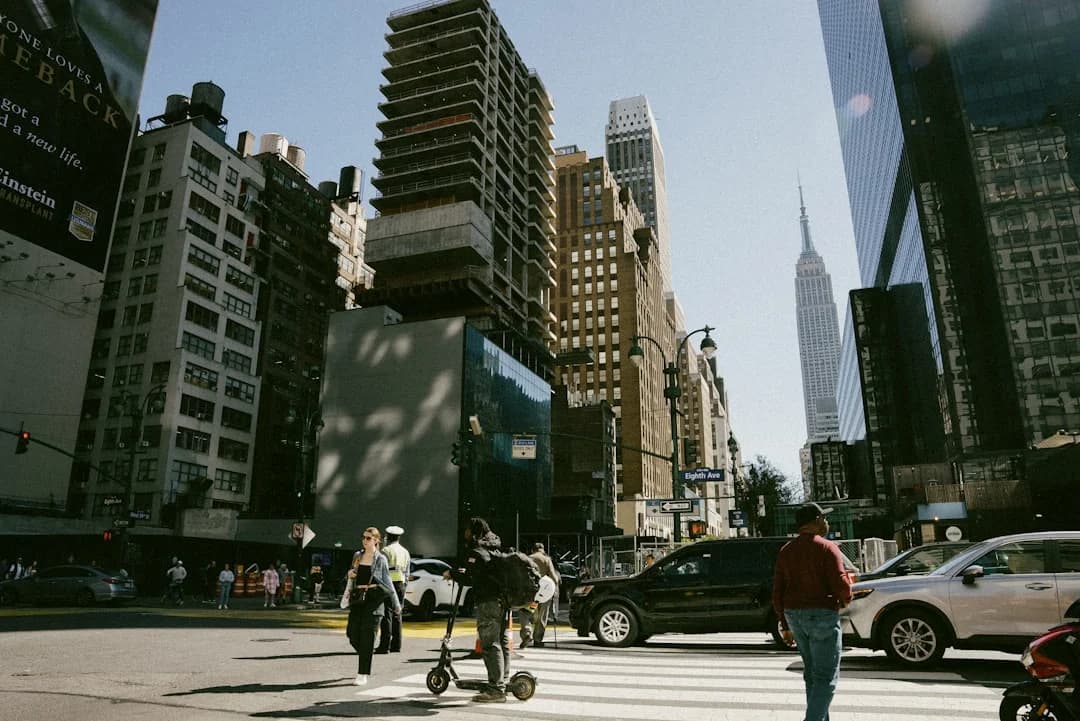
Photo by Stephen Han on Unsplash
New York City is steering its streets toward greater walkability and expanded micromobility options in 2026, a year that is already shaping how residents move, shop, and socialize across all five boroughs. As the city reports continued progress on Vision Zero and a broad expansion of pedestrian and bike infrastructure, observers are watching a real-time experiment in how walkable neighborhoods interact with a growing fleet of electric scooters, e-bikes, and traditional bikes. The question on many planners’ lips is whether these trends will translate into safer streets, more equitable access to mobility, and more vibrant street life, all while maintaining the dense pace that defines life in New York City. This year’s data-driven updates point to a city actively redesigning itself for multiple users, a trend that directly influences New York City walkability and micromobility trends 2026. (nyc.gov)
Early 2026 data and policy actions underscore the scale of change underway. The New York City Department of Transportation (NYC DOT) reports that traffic deaths are near historic lows for the first quarter of 2026, with a 7% decline compared with the same period in 2025 and record low fatalities among pedestrians and vehicle occupants. The agency attributes the improvement to a mix of protected bike lanes, expanded pedestrian space, improved bus prioritization, and aggressive enforcement targeting dangerous behaviors. These results are a cornerstone for evaluating how walkability improvements interact with micromobility use in dense urban corridors. In a related update, DOT highlighted a multi-year push to add street space for safer walking and biking, including new protected bicycle lanes on McGuinness Boulevard, Ashland Place, and in Flatbush, Brooklyn, plus bus lanes on Madison Avenue and Fordham Road. The headline here is that 2026 is shaping up as a turning point for street safety and performance—an essential backdrop for New York City walkability and micromobility trends 2026. (nyc.gov)
The broader context for 2026 includes pricing, regulatory clarity, and the evolving market for micromobility. Citi Bike, the city’s flagship bike-share program, is updating its pricing structure in 2026, with annual memberships rising to $239 starting January 5, 2026. This aligns with a broader shift in the city’s mobility mix, where residents and visitors alike weigh the costs and benefits of docked bike-share, e-bikes, and e-scooters as part of daily commutes. City officials say pricing refinements are part of a broader strategy to maintain service levels while incentivizing safer, more stable use of micromobility options. These dynamics have direct implications for walkability, as more people choose to pedal or roll rather than drive in congested corridors. (news.moovitapp.com)
On the regulatory side, NYC DOT continues to clarify where and how micromobility devices can operate. The department’s guidance on electric bicycles and other pedal-assist vehicles emphasizes a 15 mph speed limit for e-bike and e-scooter riders in New York City and outlines where different device types can ride. This regulatory clarity matters for walkability, since clarity reduces conflicts on crowded streets and helps residents anticipate how different modes interact at crosswalks, curb space, and bike lanes. As micromobility evolves, the city continues to balance safety with access, a challenge reflected in ongoing stakeholder conversations and consumer protections coordinated by city agencies. (nyc.gov)
The 2026 landscape also features a renewed emphasis on street safety and accessibility outcomes. The Vision Zero framework remains central to policy; the city highlights a historic reduction in traffic injuries and fatalities in recent years, with ongoing investments in protected lanes, pedestrian space, and intersection redesigns. In 2025, for example, injuries were down 7.7% compared with 2024, a testament to safety-focused redesigns and enforcement that began under earlier administrations and continued through 2025. The 2026 posture suggests continued momentum, even as officials acknowledge the need to manage a growing fleet of micromobility devices and the battery safety risks associated with lithium-ion technologies. The city’s plans include new pedestrian and cyclist-focused redesigns at major gateways, such as the Brooklyn Bridge entrance, and targeted improvements to support safe multimodal travel. (nyc.gov)
Streets and sidewalks are also expanding in tangible ways that affect New York City walkability and micromobility trends 2026. The NYC Streets Plan, a five-year blueprint for safety, mobility, and accessibility, has seen ongoing updates in 2026, reflecting the city’s commitment to prioritizing pedestrians, bus riders, and cyclists. The plan emphasizes a safer, more inclusive street grid with more space for walking, biking, and rolling—an essential framework for understanding how micromobility integrates into daily life across neighborhoods. The plan’s 2026 updates come amid a broader push to finalize a long-term strategy for street design that can accommodate future tech-enabled mobility, from dockless scooters to next-generation electric bikes. (nyc.gov)
This year’s coverage also includes perspectives from micromobility advocates and city watchdogs, who warn that rapid growth in e-mobility requires careful governance to prevent battery safety incidents and to ensure equitable access. A January 2026 StreetsBlog dispatch highlights the tension between industry growth and regulatory readiness, noting calls for clearer permitting, battery safety guidelines, and a scalable approach to operating permits. The article frames 2026 as a critical year for aligning the city’s micromobility ambitions with public safety and urban livability, while also addressing the concerns of neighborhoods that worry about clutter, curb space, and the pace of lane expansion. While the discourse remains sharply focused on safety and access, observers agree that the direction is toward more walkable streets with diverse mobility options—not fewer. (nyc.streetsblog.org)
Section 1: What Happened
2026 Safety Milestones and Street Redesigns
In a series of February and March press announcements, NYC DOT officials highlighted a continued decline in traffic fatalities and injuries, reinforcing Vision Zero gains that have defined New York’s street program for years. The early-2026 data show fewer deaths than at the same point in 2025, as well as record lows for pedestrians and vehicle occupants. The announcements underscored a multi-pronged approach: more protected bike lanes, more pedestrian space, and strategic bus lanes designed to improve reliability and safety in high-traffic corridors. The Brooklyn Bridge entrance redesign was flagged as a high-profile example of how multimodal safety improvements can influence walkway usability and rider behavior in adjacent bike lanes. The DOT notes that these efforts contribute to a safer, more walkable urban landscape while simultaneously supporting micromobility use in a controlled, predictable manner. This is a core element of what many planners are calling a modern, data-informed urban mobility framework. (nyc.gov)
A DOT statement captures the sentiment: “So far in 2026, there are fewer road deaths than at this time last year, which is impressive after 2025 was a record year for road safety in our city.” The quote underscores the continuity of safety gains as 2026 unfolds. (nyc.gov)
E-Mobility Uptick and Market Dynamics
Throughout 2026, micromobility remains a central piece of the mobility mix. The city’s press and industry coverage indicate a surge in e-bike and e-scooter activity in neighborhoods not served by traditional bike-share hubs, with operators calling for regulatory clarity and expanded operating conditions. A January 2026 StreetsBlog piece frames the discussion around a “micromobility surge” and notes the tension between new industry entrants and the city’s safety mandates. The narrative, while critical of the pace of regulatory alignment, recognizes that micromobility can complement walkability by providing first- and last-mile options that reduce car trips and parking demand in dense corridors. (nyc.streetsblog.org)
Infrastructure Expansion and Neighborhood Impacts
Infrastructure progress in 2026 continues to tilt toward more walkable streets and safer travel for all road users. The DOT’s 2026 projects include additional protected bike lanes and pedestrian-focused redesigns in key neighborhoods, a move that strengthens walkability while accommodating micromobility devices. In practical terms, this means more pleasant walking environments—buffered bike lanes, curb extensions at busy intersections, and signal timing adjustments that make it easier for pedestrians to cross while drivers are slowed in high-traffic zones. The emphasis on equity is explicit in DOT communications, which stress access for riders and walkers across the city’s diverse neighborhoods. These actions are part of a broader policy push that includes the NYC Streets Plan Update 2026 and related equity-focused initiatives that seek to ensure street improvements benefit a broad cross-section of New Yorkers. (nyc.gov)
Pricing, Access, and the Market for Micro-Transit
In parallel with safety and infrastructure, micromobility pricing and program governance shape user behavior. Citi Bike’s announced membership price increase to $239 annually, effective January 5, 2026, is not simply a revenue tweak; it reflects the city’s effort to balance program sustainability with broad access. The pricing move occurs alongside ongoing discussions about e-bike and e-scooter access, safety standards, and operator regulations. The pricing signal could influence who adopts docked bike-share as a primary option and who gravitates toward private micromobility devices, thereby impacting walkability by changing daily travel patterns in commercial and residential streets. For neighborhoods where curb space is already constrained, these decisions have tangible implications for pedestrian comfort and safety. (news.moovitapp.com)
Section 2: Why It Matters
Safety, Equity, and the Multimodal City

The safety data from 2025 and early 2026 reinforces a clear trend: when streets are redesigned to prioritize pedestrians and cyclists, all users benefit. The continued reduction in traffic deaths and injuries aligns with a multimodal approach that sees walkability as a core urban goal rather than a peripheral outcome. The city’s emphasis on protected lanes and expanded pedestrian space helps to reduce injury risk for pedestrians and micromobility riders alike, while also supporting more predictable interactions among modes. This is particularly important in high-traffic corridors where bike lanes and sidewalks intersect with bus lanes and car traffic. The practical upshot is a more walkable city where micromobility can play a complementary role without compromising safety. (nyc.gov)
The Comptroller’s analysis of street safety and micromobility underscores the governance challenge: “Street safety in the era of micromobility” involves data-driven oversight, registration, and intergovernmental coordination to ensure devices operate safely. This recognition matters for walkability, as it frames safety as a shared, ongoing responsibility among city agencies, vendors, and riders. (comptroller.nyc.gov)
Economic and Neighborhood Effects
Walkability is not merely a safety metric; it’s an economic signal. When streets are more walkable, storefronts see more foot traffic, transit ridership stabilizes, and neighborhoods become more appealing to residents and visitors. The 2026 updates to the NYC Streets Plan emphasize pedestrian space expansion and accessible infrastructure as drivers of neighborhood vibrancy, with protected lanes and pedestrianized spaces transforming commercial corridors into active public realms. This has implications for property values, retail performance, and local job access, especially in dense districts where micromobility can fill gaps between transit stops and daily destinations. Citi Bike’s pricing shifts may influence how often residents choose to walk to a dock or to ride a micro-vehicle for a first/last mile trip, affecting local commerce and street life in ways that planners will be watching closely. (nyc.gov)
Policy and Governance Implications
Policy makers are recalibrating how to govern micromobility while preserving walkable streets. A robust framework requires data-sharing between DOT, DCWP (Department of Consumer and Worker Protection), the DMV, and the City’s Streets Plan governance bodies. The micromobility notices from DCWP and the ongoing enforcement efforts illustrate a city intent on creating standards that protect riders and pedestrians while enabling innovation. In practice, this means standardized permitting processes, clear rules about where e-scooters and e-bikes can operate, and consumer protections for safety, storage, and battery management. These governance moves are essential to ensuring that the benefits of micromobility do not come at the expense of walkability or street safety across neighborhoods. (nyc.gov)
Section 3: What’s Next
Near-Term Milestones and 2026–2027 Outlook
Looking ahead, several near-term milestones will influence how New York City walkability and micromobility trends 2026 unfold in practice. The NYC Streets Plan Update 2026 will continue to guide street designs that prioritize pedestrians and transit users, with annual benchmarks for protected bike lane mileage, pedestrian space growth, and improved intersections. The plan’s implementation will shape where new micro-vehicle lanes appear, how curb space is allocated, and where pedestrian zones expand or shrink as the city tests different configurations. Analysts expect continued expansion of protected corridors in high-demand corridors and more measured, data-driven approaches to the placement of micromobility hubs to minimize conflicts with foot traffic and bus operations. (nyc.gov)
Key Watchpoints for Residents, Businesses, and City Planners
Several issues will determine how walkability and micromobility interplay evolves. Battery safety remains a frontline concern for cities that host a growing fleet of e-bikes and e-scooters; regulatory guidance on charging, storage, and incident reporting will be tested as devices proliferate. Equally important is equity: the city’s street safety investments must continue to translate into safer streets for all neighborhoods, including those with historically higher pedestrian risk or fewer mobility options. Neighborhoods with open streets and pedestrian plazas will serve as real-world laboratories for pedestrian comfort, safety, and the rhythm of daily life, particularly during peak hours and major events. In the months ahead, observers will monitor how price changes in Citi Bike, shifts in micromobility provider participation, and the expansion of protected lanes affect travel behavior, local business activity, and overall neighborhood vitality. (nyc.gov)
Closing
New York City’s approach to walkability and micromobility trends 2026 reflects a city determined to balance safety, accessibility, and efficiency at a time of rapid change in how people move. Data from early 2026 signals that safety is improving, with fewer fatalities and injuries, even as micromobility use grows and new mobility options reach more neighborhoods. The city’s infrastructure investments, pricing decisions, and regulatory updates together create a landscape where walking, biking, and riding a scooter or e-bike are parts of a cohesive, data-informed mobility system. For residents and visitors, the practical takeaway is clear: expect more protected lanes, more pedestrian-focused redesigns, and a city that continues to tune street space to serve diverse users without compromising safety or street life. To stay updated, monitor NYC DOT press releases, the NYC Streets Plan updates, and community announcements from DCWP and the DMV as 2026 progresses. As always, walking remains a central mode of access, and micromobility—when well governed—can extend and enrich the walkable experience that defines New York City.
