NYC dining openings 2026: A Data-Driven Preview

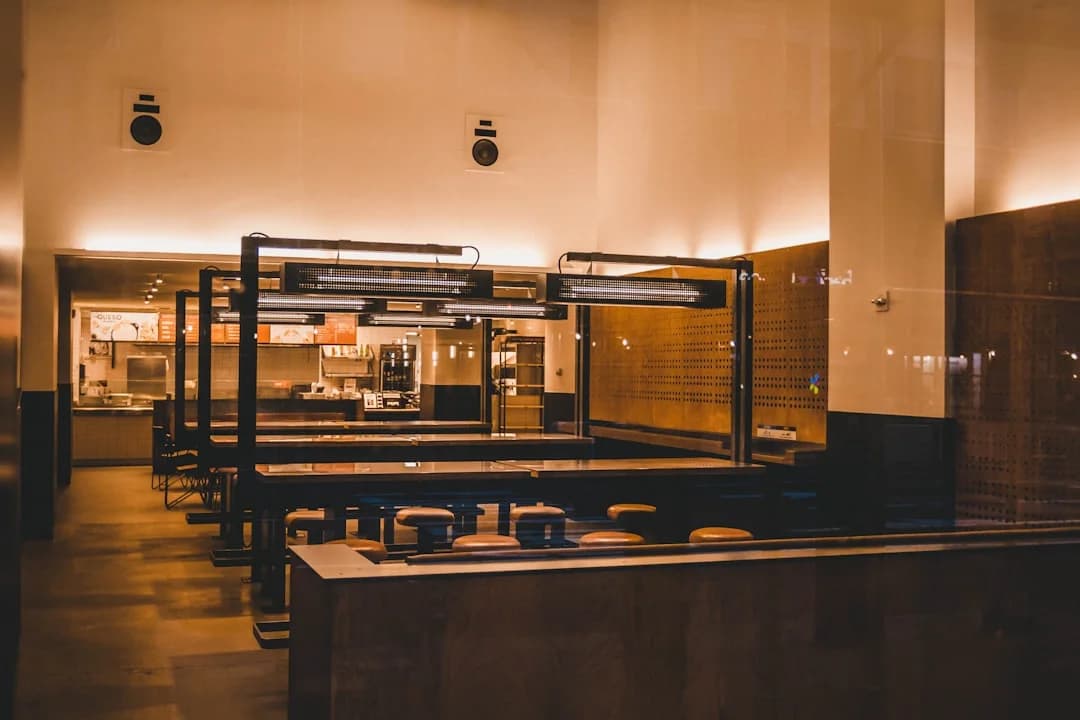
Photo by Paulo Silva on Unsplash
The city’s culinary calendar is filling quickly as NYC dining openings 2026 roll out across boroughs, from Midtown to the far reaches of Brooklyn. City reporters and industry analysts are tracking a slate that blends marquee debuts, neighborhood refreshes, and chef-led concepts, all set to reshape dining patterns, labor needs, and commercial real estate dynamics in 2026. The latest wave, highlighted by industry outlets, points to early-year openings in February and March with a concentration of high-profile projects landing in Manhattan and Brooklyn’s evolving commercial corridors. For readers of Manhattan Monday, the story isn’t just about new plates; it’s about the market signals, neighborhood shifts, and the broader business environment that will determine which concepts survive, thrive, or struggle in the post-pandemic restaurant economy. This overview synthesizes the most current reporting to date, with a focus on timelines, project scale, and potential economic impact as NYC dining openings 2026 unfold. (ny.eater.com)
As the city recalibrates labor, supply chains, and consumer demand, 2026 is shaping up as a testbed for new formats—counter-service counters, high-touch tasting rooms, and hybrid concepts that blend dine-in and takeout. Analysts note that openings in early 2026 are often paired with adjacent concepts and multi-space developments, creating mini-districts of activity that may influence foot traffic and adjacent retail. The opening slate includes a mix of formal fine-dining projects, neighborhood gems, and reimagined institutions, each with its own licensing, staffing, and kitchen design challenges. For readers tracking NYC dining openings 2026, the signal is clear: the city remains a proving ground for culinary risk-taking, design-forward spaces, and operator-led bets on premium experiences in a cost-conscious climate. (ny.eater.com)
Section 1: What Happened
Opening highlights across early 2026 set the tone for a year of ambitious launches, relocations, and concept refreshes. The following subsections summarize the most concrete, dated announcements and the key facts behind them.
Confidant moves to Brooklyn Heights; Lou & Bev’s to follow
Confidant is relocating from its prior site to 127 Atlantic Avenue, Brooklyn Heights, with an expanded menu and a new all-day bakery and pizza operation next door (Lou & Bev’s at 129 Atlantic Avenue) slated for spring 2026. The move, tied to a broader plan by Brendan Kelley and Daniel Grossman (ex-Roberta’s) in partnership with Henry Goldman and Martin Borkan, marks a notable shift in Brooklyn’s dining map and a bet on more morning-to-night traffic in the area. Opening is targeted for February 4, 2026, with Lou & Bev’s anticipated in the spring. (ny.eater.com)
Double Knot introduces a Midtown sushi-robata concept
Philadelphia-based restaurateurs Michael Schulson and partners are bringing Double Knot to 1251 Sixth Avenue, Midtown, with a February 2026 opening. The concept blends sushi and robatayaki in a moody, multi-level setting, illustrating how NYC menus are increasingly cross-posted between major markets. The timing places it squarely in the February wave of openings, alongside other high-energy concepts aimed at business travelers and theater-goers. (ny.eater.com)
Gusi charts an Eastern European path in Greenwich Village
Gusi, a two-story Eastern European spot, lands at 432 Sixth Avenue, Greenwich Village, with an opening slated for February 2026. The project is led by Boris Artemyev and Elena Melnikova, reflecting a growing interest in Eastern European flavors and modern takes on regional specialties in NYC’s core neighborhoods. The concept emphasizes a warm, chef-driven dining room with a bistro-forward bar program. (ny.eater.com)
Or’esh lights up SoHo with Levantine inspiration
Or’esh, a 75-seat Mediterranean restaurant from Catch Hospitality Group, is set to open at 450 West Broadway, SoHo, in February 2026. The concept centers on wood-fired cooking, Levantine influences, and a restrained, modern dining room, signaling a deliberate return to intimate, chef-led Mediterranean experiences in central Manhattan. (ny.eater.com)
Saverne brings Alsatian cooking to Hudson Yards
Saverne, Gabriel Kreuther’s Alsatian-braced brasserie, is scheduled to open February 2026 in the Spiral at Hudson Yards (531 West 34th Street). The project brings Kreuther’s signature precision and wood-fired techniques into a high-visibility office-tower context, underscoring how corporate campuses and transit-accessible neighborhoods are driving new demand for premium dining experiences. (ny.eater.com)
Bark Barbecue introduces Texas-meets-Dominican flavors in Bushwick
Bark Barbecue, a new 8,000-square-foot concept at 25 Thames Street in Bushwick, is planned for February/March 2026. The restaurant aims to blend Central Texas barbecue with Dominican influences, illustrating NYC’s appetite for large, immersive food halls and robust, regional barbecue programs in urban settings. (ny.eater.com)
Bar Ferdinando cultivates a Carroll Gardens counterpoint
Bar Ferdinando, at 151 Union Street in Carroll Gardens, is slated to open March 2026 as Sal Lamboglia (Cafe Spaghetti, Swoony’s) transfers the historic space formerly occupied by Ferdinando’s Focacceria into a daytime Italian cafe and bar format. The project highlights how long-standing neighborhood institutions are being reimagined to serve both locals and visitors with a new daytime rhythm. (ny.eater.com)
Dean’s expands Soho footprint with British seafood pub
Dean’s, a project from Annie Shi and Jess Shadbolt, is preparing to open at 213 Sixth Avenue, Soho, in March 2026. The concept promises a seafood-forward British pub experience with a selection of oysters, langoustines, and seasonal sharing plates, reflecting a broader trend toward comfort-forward luxury in prime micro-districts. (ny.eater.com)
Oriana readies Nolita’s dramatic wood-fired restaurant
Oriana, a two-story Nolita venue from Andy Quinn and Cedric Nicaise of The Noortwyck, aims for March/April 2026 with a robust wood-fired grill and a world-class wine program. The project emphasizes a bold, shared-dining format aligned with Noortwyck’s approach to refined, site-specific hospitality. (ny.eater.com)
Oyatte positions itself as contemporary fine dining in Midtown
Oyatte, a 30-seat contemporary fine-dining concept from Hasung Lee (Atomix connection) is planned for March 2026 at 125 East 39th Street. The restaurant’s emphasis on seasonality, fermentation, and a restrained tasting menu reflects the city’s continued appetite for precision-driven, chef-led experiences within Midtown’s high-rent corridor. (ny.eater.com)
Brasserie Boulud returns as a Lincoln Center flagship
Daniel Boulud’s Brasserie Boulud is slated for Spring 2026 at 1900 Broadway (Upper West Side). A two-floor, 7,500-square-foot space will replace earlier Bar Boulud, Boulud Sud, and Epicerie Boulud concepts in the area, signaling a refreshed tier-one dining anchor that complements Lincoln Center’s cultural calendar. (ny.eater.com)
El Califa de León plants a first U.S. location in Flatiron
El Califa de León, a Mexico City stalwart with a decades-long standing-room-only heritage, is opening its first U.S. location at 20 West 23rd Street, Flatiron, in Spring 2026. The menu emphasizes its signature gaonera tacos and other classics, expanding a pop-up and street-food lineage into a permanent NYC footprint. (ny.eater.com)
Good Time Country Buffet introduces a Southern-leaning concept
Good Time Country Buffet, at 166 First Avenue in the East Village, is positioned for Spring 2026, adopting a set-price, family-friendly model inspired by Southern dining traditions. The concept signals a broader diversification of NYC’s casual, price-conscious dining formats in accessible neighborhoods. (ny.eater.com)
Rye by Martin Auer expands NYC bakery scene
Rye by Martin Auer is scheduled to debut at 285 Lafayette Street, Nolita, in Spring 2026 as a dedicated rye bread bakery-café-shop, signaling continued growth in artisanal bread-focused concepts within Manhattan’s street-level retail fabric. (ny.eater.com)
Monday Diner and Hōp round out a diverse 2026 slate
Monday Diner, a dessert- and all-day menu concept from Caroline Schiff and partners, is planned for a Bushwick location in Summer 2026, illustrating New York’s draw for high-end pastry talent and chef-driven daytime offerings in evolving pantry hubs. Hōp, a Cambodian-Central kitchen with a neighborhood-resident approach, targets a Summer or Fall 2026 opening in Red Hook, further broadening the city’s regional and cultural dining mix. (ny.eater.com)
550 Madison, Sushi Yoshitake expansion, and more
550 Madison Avenue’s ambitious three-floor dining complex, including a second NYC location for Sushi Yoshitake and additional concepts, is expected to open in 2026. This project underlines the capital markets’ confidence in high-profile, multi-venue culinary destinations that aim to anchor finance corridors and luxury retail districts. (ny.eater.com)
A separate wave of Time Out’s year-ahead preview also highlights Cleo Downtown in the West Village as an early-2026 entry, alongside Oriana’s Nolita project and other marquee ventures. Time Out emphasizes the variety of formats—from counter-service to tasting-menu experiences—and the return of big-name chefs driving new openings in NYC. The article frames 2026 as a year of both high-profile restaurants and neighborhood anchors that will shape foot traffic and real estate considerations. (timeout.com)
Table: A snapshot of notable NYC dining openings in 2026 | Restaurant | Neighborhood | Opening Window | Source | | Confidant | Brooklyn Heights | Feb 4, 2026 | Eater NY (ny.eater.com) | | Double Knot | Midtown Manhattan | Feb 2026 | Eater NY (ny.eater.com) | | Gusi | Greenwich Village | Feb 2026 | Eater NY (ny.eater.com) | | Or’esh | SoHo | Feb 2026 | Eater NY (ny.eater.com) | | Saverne | Hudson Yards | Feb 2026 | Eater NY (ny.eater.com) | | Bark Barbecue | Bushwick | Feb–Mar 2026 | Eater NY (ny.eater.com) | | Bar Ferdinando | Carroll Gardens | Mar 2026 | Eater NY (ny.eater.com) | | Dean’s | Soho | Mar 2026 | Eater NY (ny.eater.com) | | Oriana | Nolita | Mar/Apr 2026 | Eater NY (ny.eater.com) | | Oyatte | Midtown | Mar 2026 | Eater NY (ny.eater.com) | | Brasserie Boulud | Upper West Side | Spring 2026 | Eater NY (ny.eater.com) | | El Califa de León | Flatiron | Spring 2026 | Eater NY (ny.eater.com) | | Good Time Country Buffet | East Village | Spring 2026 | Eater NY (ny.eater.com) | | Rye by Martin Auer | Nolita | Spring 2026 | Eater NY (ny.eater.com) | | Monday Diner | Bushwick | Summer 2026 | Eater NY (ny.eater.com) | | Hōp | Red Hook | Summer/Fall 2026 | Eater NY (ny.eater.com) | | 550 Madison complex | Midtown | 2026 | Eater NY (ny.eater.com) |
Notes on the data: The above opening windows are drawn from Eater NY’s January 27, 2026 preview and Time Out’s December 18, 2025 piece on the most anticipated openings of 2026. Both sources compile a cross-city view of planned openings and provide explicit monthly or seasonal targets for many NYC dining openings 2026. Readers should treat dates as targets subject to licensing, construction, and finalize permits; openings can shift by weeks or months. (ny.eater.com)
Section 2: Why It Matters
In a city where dining culture is a core business driver, NYC dining openings 2026 carry implications beyond menus and décor. The following subsections unpack why these openings matter for operators, workers, residents, and the broader market.
Market signals: investment, risk, and opportunity
The concentration of openings in late winter and early spring across Manhattan, Brooklyn, and the outer boroughs signals sustained investor interest in premium dining experiences even as costs rise. Multi-venue destinations like the 550 Madison project and Saverne illustrate how landlords are prioritizing branded dining anchors to stabilize office- and retail-centric ecosystems. Observers point to a mix of chef-driven counters, bistro-style brasseries, and concept restaurants designed to target both locals and tourists. For NYC dining openings 2026, the mix suggests an ecosystem where capital is deployed to support high-level culinary programming while maintaining room for neighborhood favorites to thrive. (ny.eater.com)
Labor dynamics: recruitment, training, and retention
With new openings come staffing needs across front-of-house, back-of-house, and specialized roles (wine programs, pastry, and sushi/robata service). The breadth of concepts—ranging from intimate 30-seat fine-dining rooms (Oyatte) to large, multi-space brasseries (Brasserie Boulud, Saverne)—highlights the city’s ongoing talent challenge: attracting and retaining skilled workers at scale. Market watchers note that NYC’s dining openings 2026 will be paired with competitive compensation packages, career development opportunities, and potential shifts in work-life expectations as operators balance service intensity with sustainability. This has ramifications for wage trends, benefits packages, and training pipelines across hospitality education and apprenticeship programs. (ny.eater.com)
Neighborhood impact: foot traffic, rents, and spillovers
New openings can reshape foot traffic patterns and influence nearby businesses, particularly in neighborhoods like Carroll Gardens, Nolita, and Nolita-adjacent corridors where new concepts are stepping into long-standing spaces. The revival of historic spaces (e.g., Bar Ferdinando) and the relocation of established concepts (Confidant) can lift surrounding retail, boost nighttime economic activity, and prompt nearby property operators to adjust leasing strategies. In other words, NYC dining openings 2026 may accelerate a virtuous cycle of place-making and economic activity in selective pockets of the city. (ny.eater.com)
Culinary discourse: diversity, regional flavors, and global influences
The 2026 openings reflect a broad culinary vocabulary—from Eastern European and Levantine influences (Gusi, Or’esh) to regional American barbecue (Bark Barbecue) and iconic French brasserie (Brasserie Boulud). This diversity reinforces New York’s standing as a global dining hub where chefs experiment with cross-cultural techniques, sourcing, and service models. For readers, this means a richer menu landscape and more opportunities to explore cuisines that were previously underrepresented in NYC’s dining itineraries. (ny.eater.com)
Public health and safety considerations in a new dining year
As new venues come online, health and safety considerations—kitchen workflow, air quality, allergen management, and crowd control—remain central. The scale of some openings (e.g., large-barrier events or multi-space concepts) increases complexity for due-diligence processes, licensing timelines, and occupancy planning. Industry reporting consistently highlights the need for robust operations planning to ensure that opening projects meet city codes while delivering consistent guest experiences. The 2026 opening slate thus provides a practical case study in how operators marshal compliance and operational discipline to execute ambitious culinary visions. (ny.eater.com)
Publications and industry signals: connecting the dots
Analysts frequently reference trade coverage when assessing NYC dining openings 2026, noting that a robust pipeline of openings is not only about new menus but about the city’s evolving experiential expectations. Time Out’s and Eater NY’s year-ahead perspectives underscore a trend toward pairing chef-driven concepts with high-traffic locations and mixed-use developments, echoing a broader industry shift toward destination dining while preserving neighborhood-serving venues. This alignment suggests a durable demand base for innovative, high-quality dining experiences in NYC, even as broader macroeconomic conditions fluctuate. (timeout.com)
Section 3: What’s Next
With so many openings announced for 2026, readers naturally want a sense of the timeline, next steps, and what to watch for as March through Summer unfold. The following subsections provide a practical forecast based on current reporting and observed patterns in NYC dining openings 2026.
Near-term timeline: February through April 2026
- Early February 2026: Confidant opens in Brooklyn Heights, with Lou & Bev’s bakery next door poised for spring. This duo signals a coordinated approach to leveraging a single residential/retail block for multi-concept traffic. (ny.eater.com)
- February 2026: Saverne, Or’esh, Gusi, Double Knot, and more join the calendar, establishing a February wave that cements the year’s first critical mass of openings in central corridors and new Hudson Yards-facing contexts. (ny.eater.com)
- March 2026: Bar Ferdinando and Dean’s prepare to debut in Brooklyn and Manhattan’s core, respectively, contributing to a March surge of openings that tests summertime staffing pipelines and reservation demand. (ny.eater.com)
- Spring 2026: Brasserie Boulud, El Califa de León, and Oriana are slated to open, representing a mix of high-profile chef-driven projects and brand-new concepts designed to anchor prestigious addresses. (ny.eater.com)
- Summer 2026: Monday Diner and Hōp indicate continued momentum into the summer season, with new desserts-forward and culturally diverse concepts expanding the city’s late-year dining calendar. (ny.eater.com)
This sequence aligns with Time Out’s broader predictions about 2026 openings and Eater NY’s country-wide forecast for NYC, which suggest a continuous cadence of openings through spring and into summer, with select projects extending into fall as licensing, build-out, and staffing catch up. (timeout.com)
Strategic watch items: what executives and readers should watch for
- Licensing and permits: A handful of high-profile openings have already set aggressive timelines, but the city’s licensing processes can introduce weeks or months of variance. Expect some January through May 2026 openings to shift by a few weeks as approvals finalize.
- Occupancy planning and insurance: With larger concepts and multi-space destinations, operators will need enhanced risk-mitigation plans and insurance structures to cover multi-venue operations.
- Labor market dynamics: Payroll, benefits, and training programs will be tested as openings scale. Look for operators to emphasize apprenticeship programs and internal promotion tracks as a strategy to manage turnover and ensure consistency of service.
- Menu evolution and sourcing: As restaurants mature, some concepts may pivot menus in response to supply chain realities and seasonal ingredients, which could affect pricing and perceived value.
What to watch for: future openings and potential shifts
- Additional marquee signings: Expect new high-end brasseries and global-influenced concepts to surface in the second half of 2026, including expansions from Tokyo- and Europe-based groups that are increasingly betting on NYC as a primary market.
- Neighborhood pivots: Areas like Nolita, Nolita-adjacent, and the West Village will likely attract a mix of boutique and large-format openings, each testing the balance between walk-in traffic and reservation-based demand.
- Real estate and urban planning implications: As more dining anchors land in existing office towers or new mixed-use developments, city planners and neighborhood associations will closely monitor traffic, noise, and pedestrian safety, especially along transit-adjacent corridors.
Closing
NYC dining openings 2026 reflect a city that remains relentlessly experimental yet economically disciplined. The first wave of openings—ranging from Confidant’s Brooklyn Heights relocation to Saverne’s Hudson Yards debut—set a high bar for what the year could become in terms of quality, scale, and neighborhood impact. As the season unfolds, Manhattan Monday will continue tracking timing, investment signals, and consumer response to these openings, delivering timely, data-driven updates that help readers understand not just what’s new on the menu but what it means for the city’s broader culinary economy.
To stay updated on NYC dining openings 2026, monitor trade outlets like Eater NY and Time Out for on-the-ground reporting, cross-reference licensing and development news from city sources, and sign up for industry newsletters that digest procurement and staffing signals across the sector. The landscape will continue to evolve, but the throughline is clear: New York’s dining scene remains a dynamic engine for culture, employment, and place-making, with 2026 poised to deepen that role even further.
If you’d like, I can add a monthly digest of confirmed openings as licensing decisions finalize, complete with venue names, opening dates, neighborhoods, and expected service formats.