NYC gallery shows 2026: Top Picks & Insights

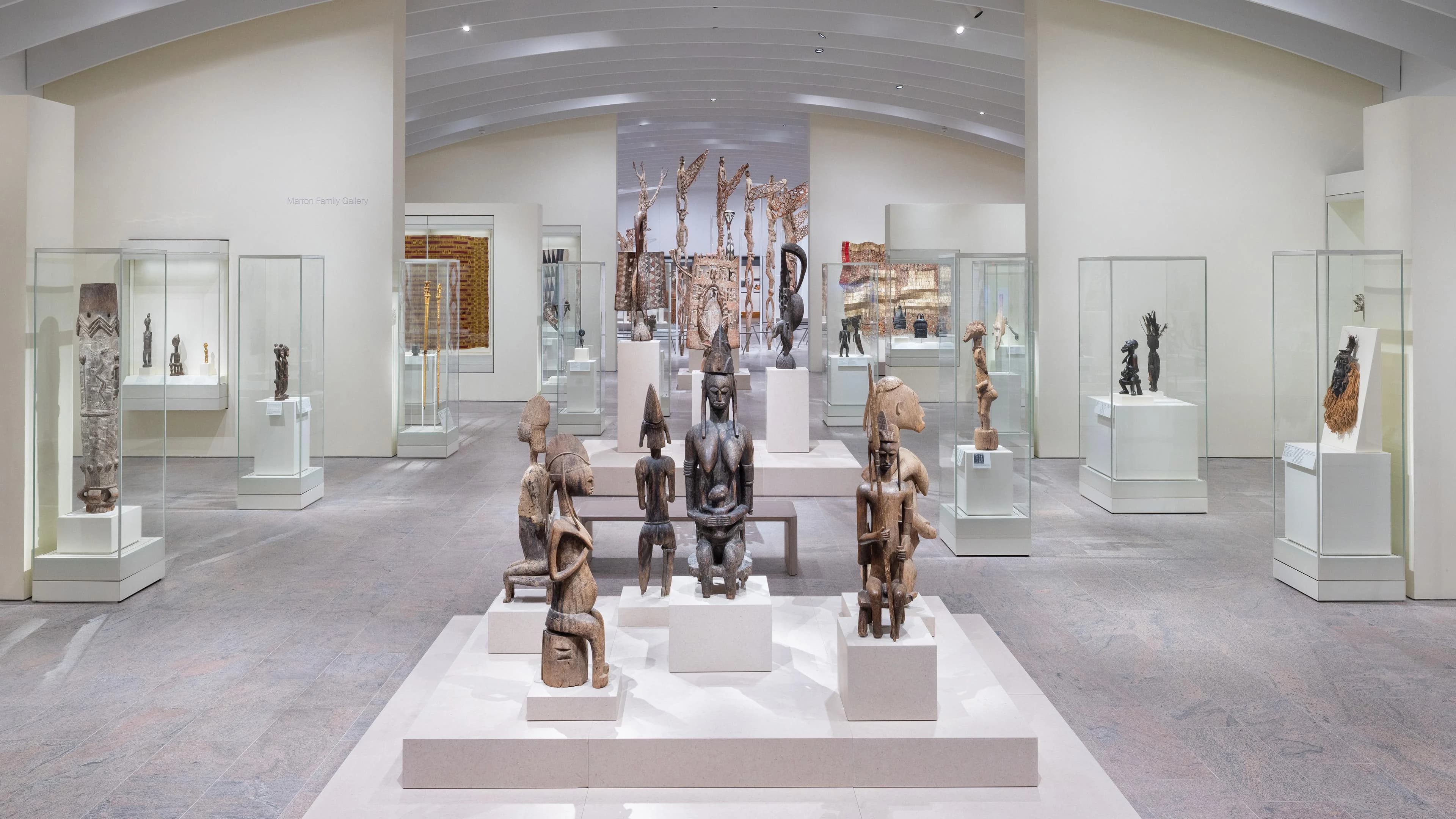
NYC gallery shows 2026 present a compelling mix of historical retrospectives, contemporary surveys, and citywide gallery events. For readers seeking clarity in a crowded season, this article offers a data-driven roundup that highlights major openings, venues, dates, and practical considerations. We focus on shows that illuminate market trends, collectors’ interests, and public access, from museum-scale exhibitions to curated gallery walks. Our goal is to help readers discover and evaluate options across neighborhoods, timelines, and price points, so you can plan visits, compare offerings, and decide where to invest your attention this year. NYC gallery shows 2026 are not just about art; they’re about context—historical narratives meeting current conversations, technology-enabled creative practices, and the evolving gallery ecosystem that defines Manhattan’s cultural economy. This is the kind of moment where data-informed curation matters as much as aesthetic judgment. HFAS18, Gainsborough at the Frick, the Whitney Biennial, and gallery walks in Chelsea collectively illustrate the diverse forces shaping the city’s art market in 2026. (hfas.org)
To help readers navigate this landscape, we’ve chosen shows that meet a set of criteria: clear dates in 2026, credible institutions or organizers, demonstrable relevance to market and technology trends, and accessible information on logistics and pricing where available. Where pricing isn’t published publicly, we flag that transparently and point you toward official pages for the latest details. By design, this roundup blends museum-grade exhibitions with contemporary gallery happenings that collectively inform market signals, collector education, and public engagement around NYC gallery shows 2026. For additional context and ongoing listings, you’ll find cross-referenced sources at the end of each item. (whitney.org)
1. Harlem Fine Arts Show NYC 2026 (HFAS18)
What It Is
The Harlem Fine Arts Show returns to New York City for its 18th season, staging HFAS18 at The Glasshouse from February 20–22, 2026. This touring festival spotlights artists of the African diaspora and emphasizes a holistic experience that blends exhibitions with talks and programming focused on health, technology, and community impact. The event is positioned as a major hub for collectors and new audiences seeking African-diaspora art in a dynamic urban setting. Dates and basic programmatic structure are confirmed on the HFAS site. (hfas.org)
Key Strengths
- A large and diverse roster of artists (over 70 works across multiple booths), with curated exhibitions and artist talks that deepen engagement beyond a static gallery view. (hfas.org)
- A multi-dimensional program that includes discussions on art, health, entrepreneurship, and community impact, aligning with broader market conversations about art as a social catalyst. (hfas.org)
- The Glasshouse location offers skyline views and a high-profile setting conducive to media attention and influencer attendance, which can amplify visibility for participating artists and galleries. (hfas.org)
Ideal For
- Collectors seeking works by contemporary artists of the African diaspora.
- Galleries exploring diaspora-focused programming and cross-sector partnerships (health, education, and community initiatives).
- Attendees prioritizing experiential programming (panel discussions, artist talks, and VIP events).
Pricing
- Tickets are on sale, with general admission options described on HFAS’s site; public pricing information is not fully detailed on the primary press page. Check HFAS18 NYC 2026 pages for current ticket tiers and packages. (hfas.org)
Limitations
- Pricing transparency varies by vendor and package; this requires visiting the official HFAS site for the latest terms.
- As a festival-style fair, the experience is dense with booths and talks, which may require careful planning to cover preferred artists within a single visit.
2. Gainsborough: The Fashion of Portraiture — The Frick Collection
What It Is

Gainsborough: The Fashion of Portraiture is The Frick Collection’s February 12–May 25, 2026 exhibition, marking the first major U.S. show focused on Thomas Gainsborough’s portraiture. The show brings together more than two dozen portraits from major North American and UK lenders to illuminate the interplay between portraiture and fashion in the 18th century. The Frick’s press materials describe an in-depth look at how clothing, textiles, and presentation shaped sitter identity and status. (frick.org)
Key Strengths
- A focused, scholarly exploration of portraiture intersecting fashion, curated by Aimee Ng, the Frick’s Peter Jay Sharp Chief Curator, with a robust catalog and accompanying programs. The curatorial framing ties fashion history to portraiture technique, materials, and social context. (frick.org)
- The Frick’s intimate gallery spaces and historic setting amplify the texture and nuance of Gainsborough’s brushwork and approach to dress, offering a deep, museum-grade experience that appeals to serious connoisseurs as well as general visitors. (frick.org)
- Public access is blended with member benefits; Frick typically offers free or discounted access to members, with timed ticketing for general visitors, which is useful for planning visits. (See official Frick pages for current ticketing details.) (frick.org)
Ideal For
- Enthusiasts of 18th-century portraiture and fashion history.
- Museum-goers seeking high-quality curatorial interpretation and scholarly catalogs.
- Visitors aiming for a contemplative, slower-paced study of a single artist’s portraiture tradition.
Pricing
- Frick’s materials note that members often enjoy free admission, with general admission requiring timed tickets; exact public pricing is not listed on the primary exhibition page and should be checked on Frick’s ticketing channels closer to the visit. (frick.org)
Limitations
- The show centers on Gainsborough’s portraiture, which may appeal less to viewers seeking broader contemporary or urban art narratives during the February–May window.
- The Frick’s location and ticketing systems may require advance planning, especially during peak winter and spring museum traffic.
3. Whitney Biennial 2026 — Whitney Museum of American Art
What It Is
The Whitney Biennial 2026 is the 82nd edition of the museum’s signature survey of American art, opening March 8, 2026, with member previews Feb 24–Mar 7 and continuing through late summer (August 23, 2026). Curated by Marcela Guerrero and Drew Sawyer, the biennial foregrounds relational themes—technological affinities, social and geopolitical entanglements, and new forms of collaboration—that reflect contemporary American art’s evolving landscape. The Whitney’s official exhibition page confirms the March 8 opening and the extended run through August 23, 2026. (whitney.org)
Key Strengths
- A statewide snapshot of U.S. contemporary art, with a focus on new voices and cross-disciplinary practices. The Biennial typically introduces artists who later shape market and scholarship trajectories, making it a barometer for emerging trends. (whitney.org)
- Early-access opportunities for members and curated previews provide a window into museum-level contemporary discourse well before the general public. The Whitney’s event calendar confirms preview periods and member mornings. (whitney.org)
Ideal For
- Collectors and curators seeking cutting-edge practices and a pulse-check on the U.S. art scene.
- Academics and students looking for context and critical discourse connected to current artworks.
- Visitors who want to engage with the most prominent, institution-backed contemporary survey in New York.
Pricing
- Public admission pricing is not listed on the core Biennial page; Whitney often publishes standard museum admission rates separately. Check the Whitney’s ticketing page and member previews for exact costs. (whitney.org)
Limitations
- High-profile shows like the Whitney Biennial can be crowded, and ticketing can require advance planning for peak weekends and previews. Plan around member previews (Mar 4–7) and general public dates. (whitney.org)
4. Inherited Imprints: Introducing Whitney Biennial 2026 — Whitney Museum of American Art
What It Is

Inherited Imprints is a companion program preceding the main Biennial, running February 11–March 5, 2026, designed to provide early context and engagement with Biennial themes. This program is part of the Whitney’s Biennial ecosystem, offering an integrated view of the exhibition’s conceptual framework before the formal public opening. The Whitney’s event listing confirms the February window for this initiative. (whitney.org)
Key Strengths
- Early immersion in Biennial themes allows visitors to orient themselves before the broader audience rush, enabling deeper, more reflective engagement with the works that appear in the main show. (whitney.org)
- The program demonstrates the Whitney’s commitment to ongoing education and audience development around major contemporary surveys, aligning with market education goals for 2026. (whitney.org)
Ideal For
- Visitors who want a paced introduction to Biennial ideas.
- Educators and students seeking structured, curator-led context before or after viewing the main Biennial.
Pricing
- The Whitney’s pages note access through member channels and online registration; specific pricing for this program is not publicly listed in the main listing and should be confirmed on the Whitney’s events page. (whitney.org)
Limitations
- This program is a prelude to the main Biennial, so it’s best used in concert with the primary exhibition rather than as a standalone draw.
5. The Occupied City: New York and the American Revolution — Museum of the City of New York
What It Is
The Occupied City is MCNY’s expansive exhibition exploring New York during the Revolutionary era, running May 1, 2026, as part of the America250 commemoration. The show is described as a multi-floor, immersive presentation featuring artifacts, manuscripts, and narratives that reframe the city’s role in the founding era. MCNY’s 2026 exhibitions page outlines the public opening date and the broader programmatic context. (mcny.org)
Key Strengths
- A historically rigorous, city-centered narrative that foregrounds New York’s crucial role in national history, offering depth beyond conventional art-historical surveys. This contributes to a well-rounded view of the art and cultural landscape in NYC 2026. (mcny.org)
- The show is part of a broader citywide commemorative program, providing cross-institutional context and collaboration opportunities for researchers, educators, and visitors. (mcny.org)
Ideal For
- History enthusiasts, educators, and scholars seeking a deep dive into New York’s Revolutionary era.
- Museums and cultural institutions aiming to connect history and culture to contemporary art discourse.
Pricing
- MCNY’s ticketing system is in place, but published admission prices are not stated on the press page; prospective visitors should check MCNY’s ticket portal for current pricing and discounts. (mcny.org)
Limitations
- As a historical/curatorial project, the exhibition may appeal more to history-minded audiences than to those seeking purely art-world experiences, particularly for short visits.
6. Another Wonderland: Abram Champanier’s Alice Mural — Museum of the City of New York
What It Is

Another Wonderland: Abram Champanier’s Alice Mural is part of MCNY’s 2026 exhibitions slate, spotlighting a major New Deal era mural cycle (Alice Of Wonderland Visiting New York) by Abram Champanier, restored and re-contextualized for contemporary audiences. The show is scheduled with public openings in June 2026 as part of MCNY’s curated programming. (mcny.org)
Key Strengths
- A historically significant mural cycle tied to New Deal-era public art, offering a rare, site-specific experience within a major urban museum. The restoration narrative adds another layer of preservation-focused discourse to the program. (mcny.org)
- The show complements other MCNY initiatives that celebrate New York’s cultural and architectural legacy, creating a cohesive seasonal program for visitors with varied interests. (mcny.org)
Ideal For
- Visitors interested in mural heritage, restoration stories, and WPA-era public art.
- Educators and students exploring 1930s New York cultural policy and public art programs.
Pricing
- MCNY’s public admission and ticketing apply; explicit prices are not published on the press page and should be checked via MCNY’s tickets section for current rates. (mcny.org)
Limitations
- The show lands in the late spring/early summer window, so it operates on a slightly different timing than many February–May art outings.
7. Interstice: Whirled Music — Kiang Malingue
What It Is
Interstice: Whirled Music at Kiang Malingue (50 Eldridge St.) runs in early February 2026, and is listed among New York galleries opening windows during the period. The exhibit appears as part of a broader gallery-walk momentum and is documented in NYC gallery opening roundups. The La Voce di New York listing confirms the show’s timing as opening February 3, 2026 and continuing through February 14. (lavocedinewyork.com)
Key Strengths
- Kiang Malingue’s programography typically emphasizes inter-disciplinary presentation, a venue that blends gallery culture with design and installation practices. The show contributes to a broader, heterogeneous gallery ecosystem in NYC. (lavocedinewyork.com)
Ideal For
- Visitors exploring Chelsea’s surrounding districts for a compact, culture-forward gallery day.
- Fans of experimental presentation and cross-media works.
Pricing
- Public pricing is not stated in the listing; check Kiang Malingue’s site or the show’s page for up-to-date ticketing details. (lavocedinewyork.com)
Limitations
- The window is relatively short, so planning is essential to catch the exhibition before it closes mid-February.
8. Valley Music by Polly Shindler — 370 Broadway
What It Is
Valley Music by Polly Shindler is listed as opening February 3, 2026 and running through February 28 at 370 Broadway. The listing appears in the La Voce di New York roundup of openings and closings for early February 2026. This work represents a more intimate, gallery-context presentation in a Tribeca/SoHo-adjacent setting. (lavocedinewyork.com)
Key Strengths
- Shorter, high-intensity run that can pair well with nearby openings, offering a compact but impactful experience for visitors with limited time. The venue’s programming tends to foreground contemporary, concept-driven work with accessible logistics. (lavocedinewyork.com)
Ideal For
- Quick-hit gallery enthusiasts who want to sample multiple shows in a single day or weekend.
- Visitors who prefer contemporary, concept-driven presentation in a smaller-venue setting.
Pricing
- Pricing is not published on the roundup; check the gallery’s official page for the most current admission or viewing policies. (lavocedinewyork.com)
Limitations
- The short run may require precise scheduling if you’re coordinating with other openings in the same week.
9. Chelsea Art Gallery Walk — The Cornell Club of New York
What It Is
The Cornell Club of New York presents a Chelsea Art Gallery Walk on February 21, 2026, a curated two-hour tour through multiple Chelsea galleries led by Efren Olivares of Look@NYArt. The event promises an in-depth look at a slate of winter shows, covering painting, sculpture, photography, and installation, with a focus on expert commentary and curated gallery sequences. The event details are published on the Cornell Club’s site. (cornellclubnyc.com)
Key Strengths
- Structured, guided gallery exploration designed to maximize exposure to a curated subset of winter exhibitions, reducing the typical overwhelm of Chelsea’s gallery density.
- The Walk format makes this accessible for both seasoned collectors and curious newcomers, with a knowledgeable guide providing historical and curatorial context. (cornellclubnyc.com)
Ideal For
- New York visitors seeking a time-efficient, curated gallery experience.
- Collectors aiming to compare multiple galleries in a single afternoon with expert interpretation.
Pricing
- The Cornell Club page notes registration and member involvement, with the event positioned as a member-access or member-led experience. Check the Cornell Club’s event page for current pricing and registration details. (cornellclubnyc.com)
Limitations
- Participation may be limited by membership status and registration availability, and the guided format may not suit readers who prefer open-ended gallery hopping.
Final Section: Comparison & Selection Guide
How to Choose Between These NYC Gallery Shows 2026
- If you want deep historical context connected to New York’s civic and architectural story, prioritize MCNY’s Occupied City and Another Wonderland; these exhibitions pair cultural history with public programming. Their dates fall into spring, so coordinate broader museum-going plans accordingly. (mcny.org)
- For a museum-level portraiture study blending fashion and painting, choose Gainsborough: The Fashion of Portraiture at the Frick, which offers a compact, visually rich, scholarly experience with strong catalog support. Note the pricing structure favors members for free access, with general admission requiring tickets. (frick.org)
- For a sweeping, institution-backed survey of contemporary American art, the Whitney Biennial 2026 is the marquee option. Expect a broad range of practices and a schedule that includes member previews and public dates; this show often signals market and critical trajectories for the year. (whitney.org)
- For a diaspora-arts-focused experience and community programming with potential for broader cultural impact, HFAS18 offers a weekend festival atmosphere with many artists and talks; plan for ticketing and event options. (hfas.org)
- If you’re planning a multi-venue Chelsea-day, the Chelsea Art Gallery Walk curated by Look@NYArt provides a structured, time-efficient path through several galleries, finishing with in-depth conversation and artist insights. Pricing and registration are venue- and club-dependent, so verify details on the Cornell Club page. (cornellclubnyc.com)
- For intimate, mid-winter discoveries, the Interstice at Kiang Malingue and Valley Music at 370 Broadway are strong micro-experiences to pair with neighboring openings. They typically require checking current hours and access policies, as these can vary by venue and show. (lavocedinewyork.com)
Quick Comparison Matrix
| Item | Focus/Theme | Opening Window | Location | Pricing Clarity | Ideal For | Notable Pros | Notable Cons |
|---|---|---|---|---|---|---|---|
| 1. HFAS18 NYC | Diaspora art, festival | Feb 20–22, 2026 | The Glasshouse, NYC | Tickets on sale; price not fully detailed on main page | Diaspora collectors, festival attendees | Large, diverse artist roster; talks and panels | Pricing not fully transparent; festival format may be crowded |
| 2. Gainsborough: Fashion of Portraiture | Portraiture + fashion history | Feb 12–May 25, 2026 | The Frick Collection | Members free; general-admission pricing not listed on core page | Historical art lovers, portraiture enthusiasts | Rich, curated portraits; strong catalog; focused scope | May be busy; pricing details require checking official channels |
| 3. Whitney Biennial 2026 | Contemporary American art survey | Mar 8, 2026–Aug 23, 2026 | Whitney Museum | Public pricing not listed on main page | Contemporary art scholars, collectors | Institution-backed exposure; cross-disciplinary works | Crowds; requires planning for peak times |
| 4. Inherited Imprints: Whitney Biennial 2026 | Biennial context | Feb 11–Mar 5, 2026 | Whitney Museum | Access via member channels; pricing not listed | Early Biennial engagement | Precursor context to main Biennial | Limited to prelude period; not the main event |
| 5. The Occupied City | NYC history, Revolution | May 1, 2026 | MCNY | Tickets via MCNY; price not stated on press page | History enthusiasts | Deep NYC historical lens | Spring timing; not a pure art-focused show |
| 6. Another Wonderland: Abram Champanier | WPA-era murals | June 2026 | MCNY | Tickets via MCNY | Public art, restoration stories | Restored mural cycle; historical significance | Summer timing; not in winter window |
| 7. Interstice: Whirled Music | Interdisciplinary gallery | Feb 3–14, 2026 | Kiang Malingue | Pricing not listed publicly | Experimental art lovers | Short, dense program; design-forward | Short run; plan precisely |
| 8. Valley Music by Polly Shindler | Contemporary gallery piece | Feb 3–28, 2026 | 370 Broadway | Pricing not listed on roundup | Quick, compact gallery visits | Pair with nearby openings | Availability window is narrow |
| 9. Chelsea Art Gallery Walk | Guided Chelsea experience | Feb 21, 2026 | Chelsea galleries | Club/club-event pricing; registration required | Guided exploration | Efficient way to sample multiple shows | Depends on club registration; may be membership-driven |
- The matrix above distills core factors for decision-making, including focus, dates, and price transparency. For many shows, explicit public pricing is not listed on initial pages; readers should consult official event or venue pages for the latest admissions details before visiting. Citations to primary sources are embedded with each item in the article body. (whitney.org)
Key Decision Factors
- Timing and pacing: If a reader wants a winter-to-spring progression, leveraging HFAS18 in February, Gainsborough at the Frick in February–May, and the Whitney Biennial in March–August creates a logical, time-staged itinerary. The MCNY spring offerings add a complementary historical axis. (hfas.org)
- Depth vs breadth: Gainsborough provides depth around a single artist and theme; the Whitney Biennial offers breadth across many artists and practices. HFAS18 adds breadth with diaspora-focused works and programming. Choose based on whether you want a focused case study or a broad market snapshot. (frick.org)
- Accessibility and planning: For readers who value structured experiences, the Chelsea Gallery Walk provides a curated route, while independent museum shows require self-guided planning. The availability of guided programs and member previews can impact planning efficiency. (cornellclubnyc.com)
Closing In summary, NYC’s gallery calendar in 2026 offers a balanced mix of historical depth, contemporary experimentation, and organized experiences that speak to readers across the spectrum—from seasoned collectors to casual art enthusiasts. Whether your aim is a concentrated study of Gainsborough’s portraiture at The Frick, a city-shaping survey at the Whitney Biennial, or a diaspora-led festival experience at HFAS18, the data-rich approach outlined here should help you map a practical, value-focused visiting plan for NYC gallery shows 2026. As with any active art season, I recommend confirming dates, hours, and ticketing on the official venues’ sites a few weeks before you go to avoid last-minute changes.
If you’d like, I can tailor a personal 2–3 day NYC gallery itinerary based on your interests (history, portraiture, contemporary practice, or multidisciplinary shows) and your schedule, with exact walking routes and time-allocation. And if you want to expand beyond these nine options, I can add more shows and ongoing programs from MCNY, The Frick, and partner galleries to broaden the picture of NYC gallery shows 2026.