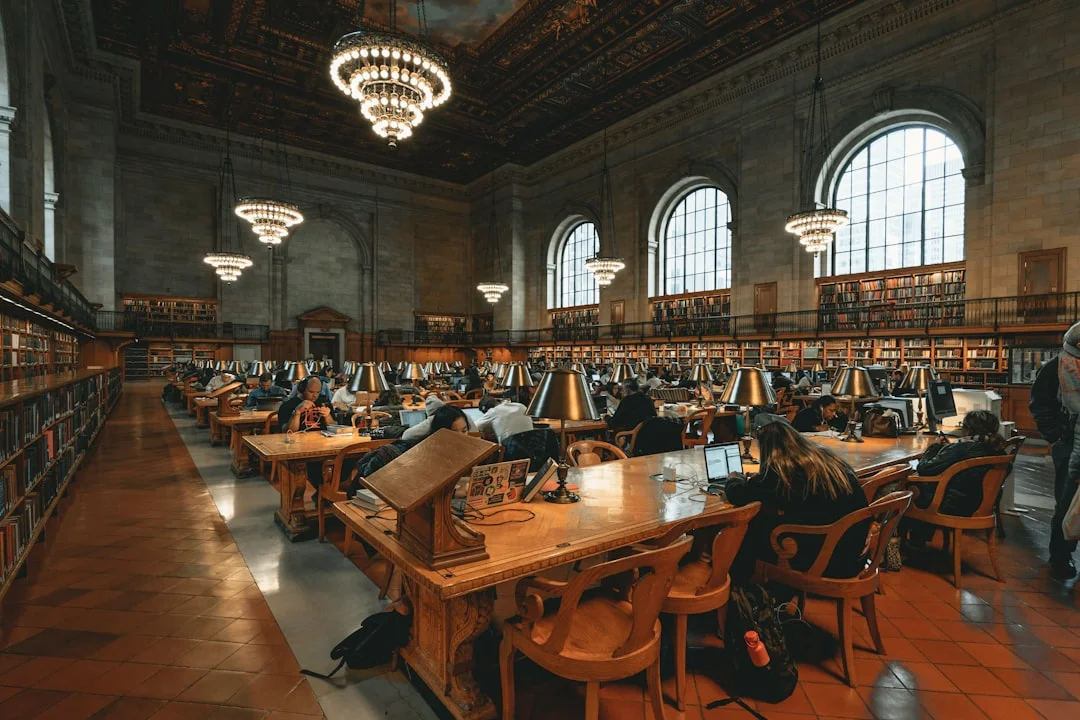
Public Libraries: NYC 2026 Cultural Hubs Update

Photo by Samuel Isaacs on Unsplash
Public Libraries as Cultural Hubs NYC 2026 is emerging as a defining trend for how New York City spaces support learning, technology access, and community life. Officials and library systems are moving toward stable funding, expanded programming, and new models that treat libraries as multi-purpose civic centers rather than solely as repositories for books. In May 2026, the City announced a permanent baseline for library funding, signaling a shift away from annual budget negotiations toward long-range planning that can sustain cutting-edge programs and facilities across all five boroughs. This development matters for NYC residents who rely on libraries for internet access, workforce development, language education, cultural programming, and safe public spaces, particularly as urban populations and immigrant communities continue to grow. The moment also aligns with system-wide efforts to reimagine libraries as democratic spaces of opportunity, education, and cultural exchange, with major planning work underway at The New York Public Library and across the city’s library networks. (nyc.gov)
The broader context includes continuing investments in technology-enabled learning and community services that extend libraries’ reach beyond traditional lending. New York City’s three major library systems—New York Public Library (NYPL), Brooklyn Public Library (BPL), and Queens Public Library (QPL)—are implementing pilots and capital projects designed to expand access, improve facilities, and connect with neighborhoods in need. These efforts are complemented by research and collaborations that position public libraries as essential hubs for health literacy, digital inclusion, and multilingual programming. In 2024–2025 and into 2026, researchers and city agencies highlighted libraries’ evolving roles as trusted community anchors and skill-building centers, a frame that has only sharpened as 2026 moves forward. (nypl.org)
Section 1: What Happened
Announcement Details
- The key recent development centers on a permanent baseline for library funding. On May 15, 2026, the NYC Mayor’s Office announced that the Fiscal Year 2027 Executive Budget would permanently baselines $31.7 million for New York City’s three public library systems—the Queens Public Library, the Brooklyn Public Library, and the New York Public Library. The administration described baselining as a move to end the annual “budget dance” and provide stable operating dollars so branches can plan, hire, and sustain programming without fear of sudden cuts. The release also notes that total library funding would rise to nearly $530 million, up from $491.4 million in the previous year, representing a meaningful shift in how libraries are supported within the city’s budget. (nyc.gov)
Planning for the Library Future
- As part of a broader, system-wide modernization effort, NYPL publicly announced a future-planning process focused on libraries as open, community-focused hubs. The NYPL board approved a public engagement process, education-based pilots in branches, and schematic design work for major facilities as part of a long-range plan to transform NYC libraries for the future. The announcement signals a deliberate effort to solicit input from researchers, families, staff, and patrons across the city to shape the Library for the Future. Beginning immediately, New Yorkers can access details at nypl.org/yourlibrary and contribute feedback to help guideplanning, architecture, and program design. (nypl.org)
A Celebrated NYC Library Model: SNFL and Beyond
- The Stavros Niarchos Foundation Library (SNFL), NYPL’s central circulating branch, epitomizes the shift toward libraries as multi-use cultural spaces. Since its major renovation, SNFL has hosted a broad spectrum of programs—from children’s story hours to adult career services and English-language classes—and has consistently drawn large foot traffic. In 2025, SNFL’s programming reached over 9,100 events with more than 137,000 attendees and distributed hundreds of thousands of books and materials, illustrating how the modern urban library blends cultural programming with civic services. The SNF grant supporting the library’s renovation underscores the view that libraries can serve as “palaces for the people,” offering a wide array of services beyond traditional lending. (snf.org)
Technology and Digital Inclusion in NYC Libraries
- Technology access and digital literacy continue to be central to NYC libraries’ value proposition. NYPL’s TechConnect program now offers well over 100 technology classes across multiple boroughs, including both online and in-person formats, with topics ranging from basic computer skills to coding and digital media production. The program stresses no-cost access and multilingual options, aligning with the city’s broader push to close the digital divide through public libraries. This expansion of tech-focused learning complements other digital inclusion efforts citywide, including collaborative initiatives funded through city partnerships and philanthropy. (nypl.org)
Health Literacy and Public Libraries
- Public libraries are increasingly being viewed as platforms for health literacy, a development that has drawn attention from researchers and university partners. A May 2026 study by CUNY SPH and collaborators examined how large NYC library systems (including Queens Public Library and Brooklyn Public Library) can strengthen their roles as trusted health spaces by adopting health-literate practices and aligning services with community health needs. The research highlights opportunities to embed health literacy into library missions, standards for partnerships, and staff training, reinforcing the libraries’ broader social role beyond books and quiet study. (sph.cuny.edu)
Section 1 Subsection: Timeline and Key Facts
- 2026–2027: Permanent baselining of operating funds for NYC libraries, ensuring stable financing to support branches, staffing, and programming. The May 2026 baseline announcement is described as creating long-term certainty for planning and service continuity. (nyc.gov)
- 2026: District-level capital and program investments outlined in the city’s capital planning—this includes a series of multi-year commitments across all borough libraries, with planned projects and expansions that align with the city’s long-range planning cycles. The city’s capital commitment plan shows library sector projects across NYC, including notable investment in specific branches and system-wide facilities. (council.nyc.gov)
- 2026: NYPL launches a public engagement process as part of planning libraries for the future, signaling broader system-wide modernization and community consultation. The initiative focuses on branch programming expansions, the Schwarzman Building redesign, and creating more open, vibrant community hubs. (nypl.org)
- 2026: SNFL reports continued high engagement with bold program levels, reinforcing the model of libraries as multi-use cultural hubs. The SNF-funded redesign and ongoing programming delivered substantial activity, illustrating how a modern central library can anchor cultural and educational life in Manhattan. (snf.org)
- 2026: The city’s libraries continue to roll out technology training and digital literacy programming, with TechConnect providing more than 100 classes across multiple branches, supporting residents’ ability to access online resources and advance digital skills. (nypl.org)
- 2026: Health-literacy initiatives tied to library services are advancing, with academic partners documenting how libraries can function as health-information hubs and partner with health organizations to deliver systematic, accessible programming. This research underscores the libraries’ evolving role in public health literacy and community well-being. (sph.cuny.edu)
Section 2: Why It Matters
Public Space Stability and Community Access
- The baselining of $31.7 million for NYC libraries represents a critical shift toward budget stability that affects thousands of daily operations, branch-level programming, and staff planning. By removing year-to-year funding volatility, library leadership can implement longer-term staffing plans, expand services, and maintain core operations during city-wide economic fluctuations. This stability matters not only for access to books but for the execution of technology training, job-seeking support, language classes, and afterschool programs that many New Yorkers rely on. The city frames this baselining as a foundation for broader improvements and as part of a larger strategy to strengthen essential public services. (nyc.gov)
Libraries as Cultural Hubs in the Urban Fabric
- The SNFL example illustrates how libraries function as cultural hubs, bringing together diverse communities through a mix of programming, language access, and communal spaces. The “palace for the people” description emphasizes how modern libraries blend cultural events with everyday services, turning libraries into destinations for learning, collaboration, and community life. As NYPL and partners pursue future-oriented planning, libraries in other neighborhoods are also expanding programming that intersects culture, education, and public life. These developments contribute to a citywide ecosystem where libraries are central to urban culture and informed civic engagement. (snf.org)
Technology Access as an Equity Lever
- Tech-focused programming, such as NYPL’s TechConnect, is a direct mechanism to advance digital inclusion, which is essential for access to employment resources, online learning, and civic participation. With more than 100 technology classes offered across the system, libraries are expanding opportunities for New Yorkers to build digital literacy, improve employability, and participate in the modern information economy. This aligns with city and philanthropic support for digital equity initiatives and complements other citywide investments in technology access. (nypl.org)
Health Literacy and Public Health Outcomes
- Public libraries’ evolving role as health-literacy hubs aligns with broader public-health goals of expanding access to credible information and health-related services at trusted community institutions. The CUNY SPH study highlights opportunities to formalize library health-literacy practices and to train staff to navigate health information for diverse communities. If scaled citywide, these efforts could improve health outcomes by increasing health information literacy and guiding residents to relevant services. (sph.cuny.edu)
Cultural and Demographic Considerations
- The city’s immigrant and multilingual populations inform library programming choices and facility design. The 2026 “Newest New Yorkers” report underscores the importance of cultural diversity and language access in New York City’s neighborhoods, which libraries can help address through multilingual programming, access to information, and culturally relevant events. Public libraries thus play a part in sustaining social cohesion and presenting inclusive spaces for all residents. (nyc.gov)
Section 2 Subsection: Key Stakeholders and Those Affected
- NYC residents and library patrons in all five boroughs: Beneficiaries of stable funding, expanded hours, and enhanced programs.
- Library staff and educators: Beneficiaries of longer planning horizons, clearer budgets, and expanded professional development opportunities (e.g., TechConnect and health-literacy training).
- Immigrant communities and multilingual learners: Beneficiaries of multilingual programs, language learning, and culturally relevant events, supported by a broader city strategy to strengthen cultural hubs. (nyc.gov)
- Researchers and academic partners: Collaborators in evaluating library impact on health literacy and digital inclusion, informing policy and library practice. (sph.cuny.edu)
Broader Context: Libraries Aligned with City Goals
- The city’s capital planning and multi-year commitments demonstrate that libraries are part of a broader infrastructure strategy. The 2026–2030 capital plan outlines library commitments, including branch projects and system-wide improvements, reflecting a deliberate alignment with city planning and energy efficiency initiatives. This alignment helps ensure that libraries remain accessible and functional while the city pursues climate and resilience objectives. (council.nyc.gov)
Section 2 Subsection: Implications for Libraries’ Public Profile
- The shift toward libraries as cultural hubs may affect how residents perceive libraries—moving from quiet book repositories to active, participatory centers for learning, culture, and civic life. The NYPL’s public engagement process demonstrates a commitment to inclusive planning and transparency, signaling to communities that libraries will evolve in ways that reflect their needs and aspirations. As libraries become more visible as cultural hubs, they may attract diverse partnerships, sponsorships, and cross-sector collaborations that further expand programming and services. (nypl.org)
Section 3: What’s Next
Upcoming Milestones and Timelines
- 2027: The baseline funding is now a permanent feature of the city budget, which sets the stage for continued investment in staffing, programming, and branch operations across the three library systems. The city’s decision to lock in baseline funding reduces volatility and supports long-range planning, with the understanding that the five-borough library network must continue expanding access and services in a fiscally sustainable manner. (nyc.gov)
- 2026–2030: The capital commitment plan outlines multi-year investments in branch renovations, new facilities, and energy efficiency upgrades. Projects span multiple boroughs and aim to modernize infrastructure while expanding capacity for future programming. The plan provides a framework for the libraries to address growth in visitors and demand for technology access, language services, and health-literacy programming. (council.nyc.gov)
- 2026–2027: NYPL’s public engagement process and ongoing pilots will inform programming and facility planning for branches citywide. Community input will shape the Library for the Future, including potential expansions in ESOL, literacy, after-school offerings, and educational pilots that complement existing services. Patrons and staff can anticipate continued opportunities to contribute feedback through official channels. (nypl.org)
- 2026–2027: TechConnect and Neighborhood Tech Help initiatives will continue to scale, deepening digital-literacy support and broadening access to technology resources across Manhattan, the Bronx, and Staten Island. This work is part of a broader strategy to ensure that New Yorkers can participate fully in the digital economy and access essential services online. (nypl.org)
What to Watch For
- Monday morning planning and capital budgets: Expect annual updates to the city’s capital budget and the November plan to reflect evolving project timelines, cost estimates, and new needs identified through public engagement and agency planning. The city’s latest budget documents include line-item details on library funding and capital commitments, which can shift as projects move from planning to procurement to construction. (council.nyc.gov)
- Program expansion metrics: As NYPL and other systems implement public-engagement-informed pilots, libraries will release metrics related to attendance, program diversity, language access, and outcomes in digital literacy and health education. The SNFL example provides a framework for how program counts and attendance can be tracked as the library network grows its offerings. (snf.org)
- Community partnerships: The health-literacy study and the broader social-conditions surrounding immigrant communities suggest that libraries will increasingly partner with health providers, community organizations, and educational institutions. Observers should monitor new partnerships and co-hosted programs that emphasize multilingual health information and cross-cultural programming. (sph.cuny.edu)
Closing
Public Libraries as Cultural Hubs NYC 2026 reflects a city-wide shift toward stable funding, expanded programming, and libraries serving as holistic centers for learning, culture, and public life. The baselining of operating funds and the ongoing planning efforts signal a deliberate move to sustain and grow library services in a dynamic urban environment. From TechConnect classes that build digital fluency to SNFL’s expanded programming and the health-literacy partnerships under development, New York City’s libraries are increasingly positioned as essential cultural and educational infrastructures. As city officials, library leadership, and community partners continue to collaborate, residents can anticipate a library system that remains accessible, relevant, and responsive to a rapidly changing cityscape. To stay informed, readers should follow official library announcements, city budget updates, and local news coverage of NYPL, BPL, and QPL programming and capital projects. (nyc.gov)