West Harlem Cultural Corridor 2026: Arts and Transit Growth
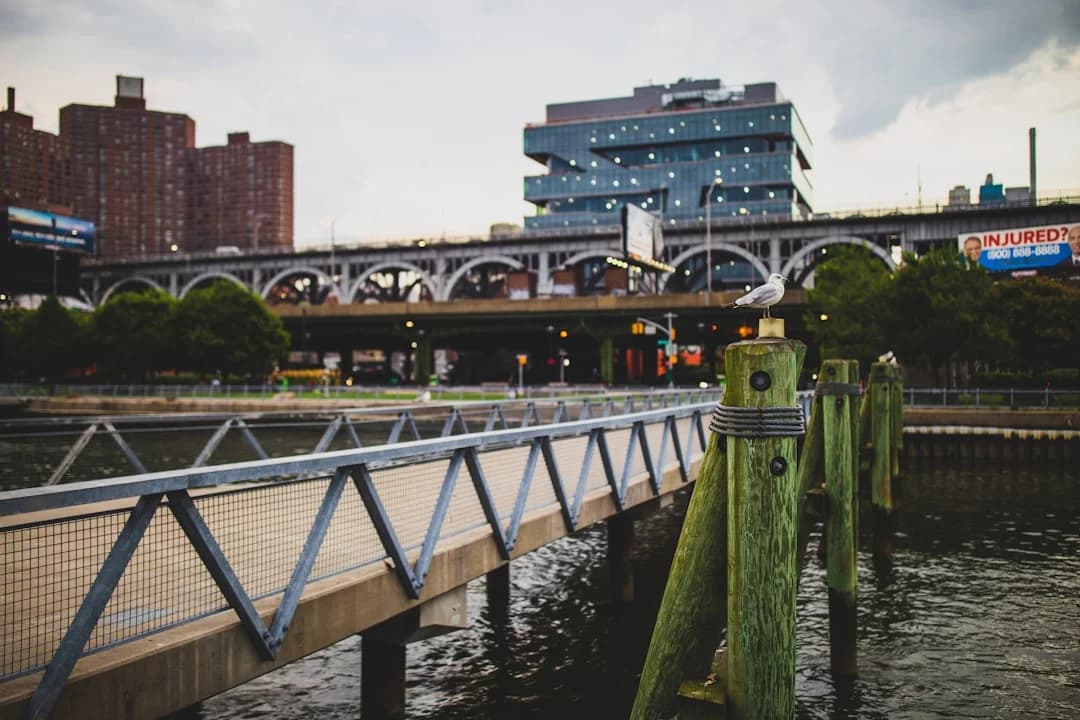
Photo by Andy on Unsplash
As the West Harlem cultural corridor 2026 takes shape, observers are watching a dense convergence of arts institutions, mixed-use development, and transit upgrades along Harlem’s famed 125th Street corridor. The unfolding narrative is not tied to a single grand unveiling but to a sequence of coordinated projects that collectively aim to redefine the cultural and economic backbone of West Harlem as the decade closes. In early 2026, residents, artists, developers, and city agencies are assessing how these efforts translate into tangible opportunities for creative work, neighborhood stability, and local commerce. The ambition is clear: sustain Harlem’s historical cultural leadership while expanding access, affordability, and opportunity for a broader cross-section of the community. This overview draws on confirmed, verifiable developments tied to the area and situates them within the broader context of urban culture, market dynamics, and infrastructure upgrades that affect West Harlem’s residents and visitors alike. The core question remains: will the momentum around West Harlem cultural corridor 2026 produce enduring gains for artists, institutions, and small businesses, or will it encounter the same challenges that have historically accompanied rapid urban change? (culture.org)
Opening the year with a sense of direction, West Harlem’s cultural spine is increasingly linked with a cluster of high-profile projects and strategic investments that began taking concrete shape in the mid-2020s and are expected to influence activity through 2026 and beyond. In November 2025, the Studio Museum in Harlem—one of the neighborhood’s anchor cultural institutions—began welcoming visitors to a newly completed building at 144 West 125th Street. The project, a $300 million construction, marks a substantial upgrade to Harlem’s cultural infrastructure and is widely viewed as a catalytic element for a broader West Harlem cultural corridor 2026. The relocation and expansion of the Studio Museum have implications for programming, artist residencies, and scholarship opportunities that could reverberate across local galleries, schools, and independent arts venues as the calendar turns toward 2026. The new facility is designed to deepen the museum’s capacity to host contemporary Black art and to provide a more expansive space for residency programs, education, and community engagement activities. (culture.org)
Alongside the Studio Museum’s new home, another major development linked to the same corridor centers on the National Urban League’s presence at 121 West 125th Street. The NUL project, part of a broader effort to revitalize Harlem’s landmark arts and culture cluster, relocates the organization’s core functions to Harlem with a mixed-use program that includes offices, cultural spaces, and retail components aimed at anchoring the corridor’s cultural economy. The project ethic—revitalizing a historically important commercial and cultural spine while embedding civil rights and community-focused programming—continues to shape discussions about what West Harlem cultural corridor 2026 could look like in practice. The plan’s components include the future civil rights museum and other cultural offerings integrated into the Urban League Empowerment Center precinct, underscoring the neighborhood’s evolving identity as a destination for culture and civic life. (esd.ny.gov)
In addition to museum and organizational upgrades, the Harlem Gateway Waterfront Initiative has positioned West Harlem as a pivotal entry point to a broader waterfront-cultural ecosystem along the Harlem River. The initiative envisions converting the area around the West Harlem Piers into a mixed-use destination that blends public space, cultural programming, and local employment opportunities. The timeline for the project’s publicly presented milestones includes a projected opening in the mid-2020s, with summer 2026 repeatedly cited as a potential inflection point for a more vibrant waterfront-facing cultural corridor. This element of the narrative is especially relevant for West Harlem, given its proximity to the river and the ongoing push to knit cultural assets with recreation, tourism, and community revitalization efforts. While the waterfront project is not exclusive to West Harlem, it functions as a complementary strand in the broader West Harlem cultural corridor 2026 story, linking indoor cultural venues with outdoor experiences and access to public transit. (harlemwaterfront.com)
The local policy and economic development context also matters for how 2026 unfolds. The 125th Street corridor has long been a focal point of Harlem’s cultural and commercial identity, with city agencies and community organizations pursuing strategies intended to preserve cultural assets while expanding opportunities for residents. A 2008 rezoning of parts of the 125th Street corridor and subsequent planning efforts helped establish the framework for mixed-use development, transit-oriented improvements, and arts programming along the corridor. While these historical steps predate 2026, they continue to influence what is feasible today and how new investments are integrated with existing cultural assets. The City Planning Commission materials and related analyses provide essential background to understand the constraints and opportunities shaping West Harlem’s cultural corridor. (www1.nyc.gov)
The latest wave of activity around West Harlem’s cultural corridor also includes ongoing public-private collaborations, neighborhood business initiatives, and arts-sector partnerships that emphasize local impact. A key element of this ecosystem is the role of the 125th Street Business Improvement District (BID), which has been active in fostering economic vitality, safety, and cultural programming along the corridor. The BID’s work, including annual meetings and strategic partnerships with developers and city agencies, demonstrates how public-facing cultural activity and private investment are increasingly interwoven in West Harlem. This alignment suggests that 2026 could see intensified cross-sector collaboration, with a focus on creating a more walkable, culturally rich, and economically resilient corridor. (harlemcommunitynews.com)
Section 1: What Happened
Studio Museum Harlem’s New Building Opens
A Leap in Cultural Infrastructure and Residency Access
The Studio Museum in Harlem unveiled its new building at 144 West 125th Street in November 2025, marking a milestone for Harlem’s cultural infrastructure and signaling a commitment to expanding opportunities for artists of African descent and other underrepresented communities. The $300 million project expands the museum’s capacity for exhibitions, residencies, education programs, and community partnerships, positioning the institution as a critical anchor in the neighborhood’s cultural corridor. The opening has been described as a watershed moment for Harlem’s art ecosystem, with implications for nearby galleries, schools, and cultural nonprofits seeking to participate in a densifying cultural economy along West Harlem’s corridor. The new facility supports larger, more ambitious exhibitions and intensified community engagement, enabling artists-in-residence to access expanded studios, gallery space, and outreach programs that connect with local audiences and visitors. The expansion is also expected to stimulate adjacent real estate activity and attract additional philanthropic and corporate support for Harlem’s cultural agenda. (culture.org)
National Urban League Relocation and 125th Street Corridor Revitalization
A Civic-Centered Development to Anchor the Corridor

The National Urban League’s relocation to 121 West 125th Street is a strategically significant move in Harlem’s ongoing cultural and economic revitalization. The Urban League Empowerment Center precinct is designed to blend offices, cultural space, retail frontages, and subsidized housing components in a development package that anchors the corridor’s social and economic vitality. The project aims to consolidate Harlem’s civil rights legacy and contemporary civic life within a mixed-use framework that supports local entrepreneurship and cultural programming. As part of the broader 125th Street revitalization, this development is expected to contribute to a more robust cultural economy by drawing visitors, supporting artists, and creating opportunities for neighborhood residents. The NUL project is an important reference point for what the West Harlem cultural corridor 2026 may include in terms of institutional integration, cultural programming, and long-term economic resilience. (esd.ny.gov)
125th Street Corridor as a Cultural and Economic Corridor
The corridor’s evolution has been guided by multiple public and private sector initiatives that emphasize a balanced mix of cultural institutions, housing, retail, and office space. City and community partners have highlighted how the corridor can function as a living laboratory for urban culture—where galleries, museums, educational institutions, and civic organizations interact with residents, students, and tourists. The 125th Street corridor’s development has included support for new cultural venues and partnerships with established Harlem landmarks, as well as plans to improve streetscape, safety, and accessibility. While not all components are unified under a single, publicly titled “West Harlem cultural corridor 2026” initiative, the momentum created by these investments is widely viewed as coalescing toward a shared goal: a more vibrant, inclusive, and economically sustainable cultural district that benefits a broad cross-section of Harlem’s community. (www1.nyc.gov)
Harlem Gateway Waterfront Initiative: A Cultural Destination on the River
Transforming Public Space into a Cultural Magnet
The Harlem Gateway Waterfront Initiative represents a complementary strand in West Harlem’s broader cultural development story. By reimagining the West Harlem Piers and surrounding waterfront zones as a hub for public space activation, arts programming, and local employment, the project seeks to connect the corridor’s inland cultural venues with riverside experiences. The initiative envisions a phased development strategy, with initial public space improvements, art installations, and programming designed to attract visitors and provide new opportunities for local artists and small businesses. The open question for 2026 is how these waterfront enhancements will balance with inland cultural institutions and housing developments to create a holistic West Harlem cultural corridor 2026 that is accessible, affordable, and sustainable for residents. The initiative’s timeline has included a mid-2020s opening horizon, with Summer 2026 frequently cited as a milestone for some components. (harlemwaterfront.com)
Public-Private Synergies and Community Access
A central theme in the waterfront initiative and related corridor revitalization is the phenomenon of cross-sector collaboration. Public agencies, philanthropic funders, and private developers are working with neighborhood organizations to ensure that cultural programming has broad reach and alignment with community needs. This approach includes considerations around affordable housing, local workforce development, and artist-supportive spaces, all of which are essential to ensuring that West Harlem’s cultural corridor 2026 remains inclusive and accessible to a diverse population. The focus on workforce development and cultural programming aligns with Harlem’s longstanding role as a cradle of Black culture and a hub of creative production in New York City, while also addressing contemporary concerns about displacement and affordability that have accompanied gentrification in many urban areas. (harlemwaterfront.com)
125th Street Corridor: Public Programs, Institutions, and Cultural Assets
A Rich Ecosystem of Institutions and Creative Work
West Harlem’s cultural corridor is defined not only by individual buildings but by the ecosystem that connects galleries, museums, educational programs, and community-based organizations. The Studio Museum in Harlem and the nearby Apollo Theater are emblematic of this ecosystem, while the National Urban League’s presence on 125th Street further reinforces the corridor’s civic and cultural dimensions. The opening of the Studio Museum’s new building in 2025 stands as a landmark, and the ongoing NUL project adds a civic-anchor layer that blends culture with social and educational programming. Together, these institutions create a dense network of cultural activity that draws visitors, supports local artists, and fosters partnerships with universities and cultural nonprofits. (culture.org)
Economic and Real Estate Implications
From a market perspective, the concentration of cultural institutions and the planned improvements along the corridor can influence local economic activity, including retail performance, hospitality demand, and small-business growth. Analyses of Harlem’s development trajectory emphasize how cultural anchors can stimulate ancillary investment, increase foot traffic, and support a more diverse retail mix. While the exact economic multipliers vary by project and neighborhood context, the combination of expanding cultural programming and improved transit access typically correlates with greater consumer activity and a more robust neighborhood tax base over time. Stakeholders along the corridor are monitoring indicators such as gallery openings, museum attendance, residential vacancy rates, and small-business permit activity to gauge the health and trajectory of the West Harlem cultural corridor 2026. (harlemcommunitynews.com)
Section 2: Why It Matters
Impact on Artists, Galleries, and Cultural Workforce
Expanded Space, Expanded Opportunity
The upgraded facilities and new cultural venues along West Harlem’s corridor directly affect artists and curators by providing larger, more flexible spaces for exhibitions, residencies, and programming. The Studio Museum’s new home, with enhanced gallery capacity and residency infrastructure, is likely to attract a broader pool of artists seeking sustained engagement with Harlem’s audience. This reflects a broader trend in major urban centers: when institutions invest in building scale and programmatic depth, the surrounding arts ecosystem responds with increased productivity, collaboration, and cross-disciplinary experimentation. The 2025–2026 period is a particularly important inflection point for Harlem’s artists, as institutions like the Studio Museum and the NUL project signal long-term commitments to local talent and community-based programming. (culture.org)
Cultural Tourism and Global Visibility
Harlem has long been a magnet for cultural tourism, and the West Harlem cultural corridor 2026 concept benefits from the presence of high-profile venues, improving transit connections, and the anticipated cross-pollination among museums, galleries, and performance spaces. The proximity of the Apollo Theater, the Studio Museum, and other cultural anchors creates a clustering effect that can attract visitors from across New York City and beyond. The 125th Street corridor’s revitalization and the surrounding public-private investments further enhance the neighborhood’s visibility as a cultural destination, reinforcing Harlem’s role in the broader New York City arts ecosystem. This visibility, in turn, can support increased sponsorship, philanthropy, and sponsorship-driven programming that underwrites exhibitions, artist-in-residence programs, and educational outreach. (en.wikipedia.org)
Economic Development and Community Stability
Anchors that Drive Local Growth
Public investment in cultural infrastructure often serves as a catalyst for broader neighborhood renewal. The National Urban League project and other corridor investments are designed to create jobs, support start-ups, and attract new businesses to the 125th Street corridor. While attracting new economic activity is a shared objective, city and community leaders emphasize the importance of ensuring that development remains inclusive and addresses housing affordability, small-business needs, and workforce readiness. The corridor’s long-term success will depend on how well public programs, philanthropy, and private developers coordinate around affordable housing, workforce pipelines, and culturally relevant programming. The 2008 rezoning and subsequent planning efforts provide historical context for these ongoing efforts and help explain why “cultural vitality plus economic stability” remains central to the West Harlem narrative as 2026 approaches. (www1.nyc.gov)
Public Space and Quality of Life
Investments in public space—parks, promenades, and pedestrian-oriented streetscape improvements—are an integral part of the West Harlem cultural corridor 2026 strategy. By improving walkability and safety, these improvements increase access to cultural venues and reduce barriers to participation for residents of all income levels. Public art and cultural programming in transit-adjacent venues also contribute to a more vibrant street life, reinforcing the idea that culture can be a driver of inclusive urban vitality. The MTA Arts & Design program and related public-art initiatives demonstrate how public institutions can partner with cultural organizations to enhance the rider experience and broaden access to the arts. While the MTA’s programmatic focus is broader than West Harlem alone, the presence of art in transit spaces is an important element of a citywide approach to cultural equity that benefits Harlem’s corridor as well. (mta.info)
What It Means for Transit and Connectivity
Transit as a Cultural Enabler
Transit access is a central enabler for Harlem’s cultural corridor growth. The 125th Street corridor already benefits from proximity to multiple subway lines and bus routes, and ongoing planning efforts emphasize transit-oriented development (TOD) that pairs housing and cultural venues with reliable transportation options. For West Harlem to realize the full potential of a 2026 cultural corridor, it will be essential to maintain and strengthen transit reliability, improve station amenities, and ensure that new developments are walkable and integrated with pedestrian and cycling networks. In this context, initiatives like the Harlem Gateway Waterfront Initiative and related public space improvements complement transit-oriented development by broadening the ways people experience and access Harlem’s cultural assets. (harlemwaterfront.com)
Community Voices and Stakeholder Coordination
The ongoing collaboration among community boards, local nonprofits, business improvement districts, and city agencies is a defining feature of how West Harlem’s cultural corridor 2026 will evolve. Community committees and neighborhood associations are actively involved in discussions about programming, safety, housing affordability, and the allocation of public funds for cultural projects. The March 2026 events calendar from a Manhattan Community Board example demonstrates the ongoing participation of local residents and civic leaders in shaping arts and culture policy and programming in Central Harlem and surrounding districts. Moving forward, sustained, transparent engagement will be essential to ensure that growth benefits the current residents and prevents displacement while maintaining Harlem’s cultural identity. (cbmanhattan.cityofnewyork.us)
Section 3: What’s Next
Timeline and Milestones to Watch
2026 Milestones and Anticipated Outcomes
- Studio Museum Harlem: With the new building opened in November 2025, 2026 is expected to feature expanded programming, larger exhibitions, and increased residency opportunities. The museum’s continued growth will influence nearby galleries and educational partners, potentially elevating the entire West Harlem cultural corridor 2026 as a more integrated arts district. The scale of these programs and partnerships depends on sustained funding, philanthropic support, and strong collaboration with local schools and universities. (culture.org)
- National Urban League at 121 West 125th Street: As a civic anchor, the NUL project is anticipated to advance in phases through 2026, anchoring the corridor with a mix of offices, cultural spaces, and community programs. The project’s success will hinge on balancing the needs of residents with the ambitions of cultural programming and small-business development, a dynamic that is central to Harlem’s broader urban renewal narrative. (esd.ny.gov)
- Harlem Gateway Waterfront Initiative: Summer 2026 is frequently cited as a potential inflection point for waterfront-related components of the corridor. If realized, the waterfront could become a major site for public art, performance, and outdoor programming that complements indoor venues and expands access to cultural experiences along the river. The timeline remains contingent on funding approvals, permitting, and construction progress, but momentum around the plan underscores the importance of waterfront access in a comprehensive West Harlem cultural corridor 2026 strategy. (harlemwaterfront.com)
Policy and Planning Signals to Watch
- City Planning Commission and NYCEDC updates: Ongoing policy work that touches the 125th Street corridor, zoning considerations, and district planning will shape where and how new cultural venues, housing, and retail emerge. The CPC’s recent documents highlight the corridor’s significance within the city’s planning framework and the need to balance cultural preservation with economic development as 2026 approaches. Stakeholders should monitor these policy developments for signals about tax incentives, zoning changes, and funding opportunities that could influence West Harlem’s cultural corridor 2026. (www1.nyc.gov)
- Public funding and grants: The city and state allocate funds for cultural projects and neighborhood revitalization through various programs, including incentives portfolios and development initiatives. Keeping an eye on annual budgets and grant cycles can provide early indicators of which projects along the corridor are likely to advance in 2026. Recent documentation and annual reports show ongoing investments in Harlem-related cultural and economic development initiatives, including the 125th Street corridor’s catalytic projects. (edc.nyc)
What to Watch for in 2026
- New cultural programming and partnerships: Expect a continued expansion of artist residencies, exhibition collaborations, and educational programs connected to the Studio Museum, the National Urban League site, and other institutions along the corridor. These programs will be critical for nurturing local talent and expanding Harlem’s audience base.
- Retail and housing integration: Development activity along 125th Street is likely to include a mix of affordable housing components and retail aimed at sustaining local needs while supporting cultural programming. Monitoring the balance between new development and affordability will be essential for assessing the corridor’s long-term viability and inclusivity.
- Public space activation and transit enhancements: Improvements to streetscape, pedestrian safety, and transit accessibility can be expected to complement cultural programming, making West Harlem more navigable for residents and visitors alike. The intersection of transit investments with cultural projects is a key factor in realizing a truly connected West Harlem cultural corridor 2026.
Closing
The West Harlem cultural corridor 2026 is not a single event but a composite, evolving story built from real projects, public investments, and ongoing collaborations among institutions, developers, and residents. The opening of the Studio Museum’s new building in 2025, the National Urban League’s presence at 121 West 125th Street, and the Harlem Gateway Waterfront Initiative together illustrate a trajectory toward a more robust, integrated cultural district that could redefine Harlem’s relationship with arts, commerce, and transit in the coming years. While many specifics about a formal, citywide “West Harlem cultural corridor 2026” initiative remain to be confirmed, the observable momentum—anchored by anchored institutions, strategic real estate, and public space enhancements—offers a plausible pathway toward a more vibrant and inclusive cultural economy for West Harlem. Readers, policymakers, and community stakeholders should watch for 2026 milestones in studio programming, civic-centered development, and waterfront activation, as these elements will likely shape the neighborhood’s cultural identity and economic resilience in the near term. To stay updated, follow official announcements from the Studio Museum in Harlem, the National Urban League’s Harlem campus initiatives, and the Harlem gateway waterfront planning updates as they become available, and track local community boards and business improvement district communications for real-time insights into West Harlem’s evolving cultural economy. (culture.org)
As West Harlem continues to build out its cultural footprint, the essential question remains: can the 2026 momentum translate into durable benefits for artists, residents, and small businesses across the corridor? Early indicators—new facilities, anchor institutions, and public-space investments—are encouraging, but sustained collaboration, inclusive programming, and steady public investment will determine whether the West Harlem cultural corridor 2026 becomes a lasting model for urban culture, equitable development, and transit-enabled growth.